Amigurumi for Beginners: Your Gateway to Crochet Plushies
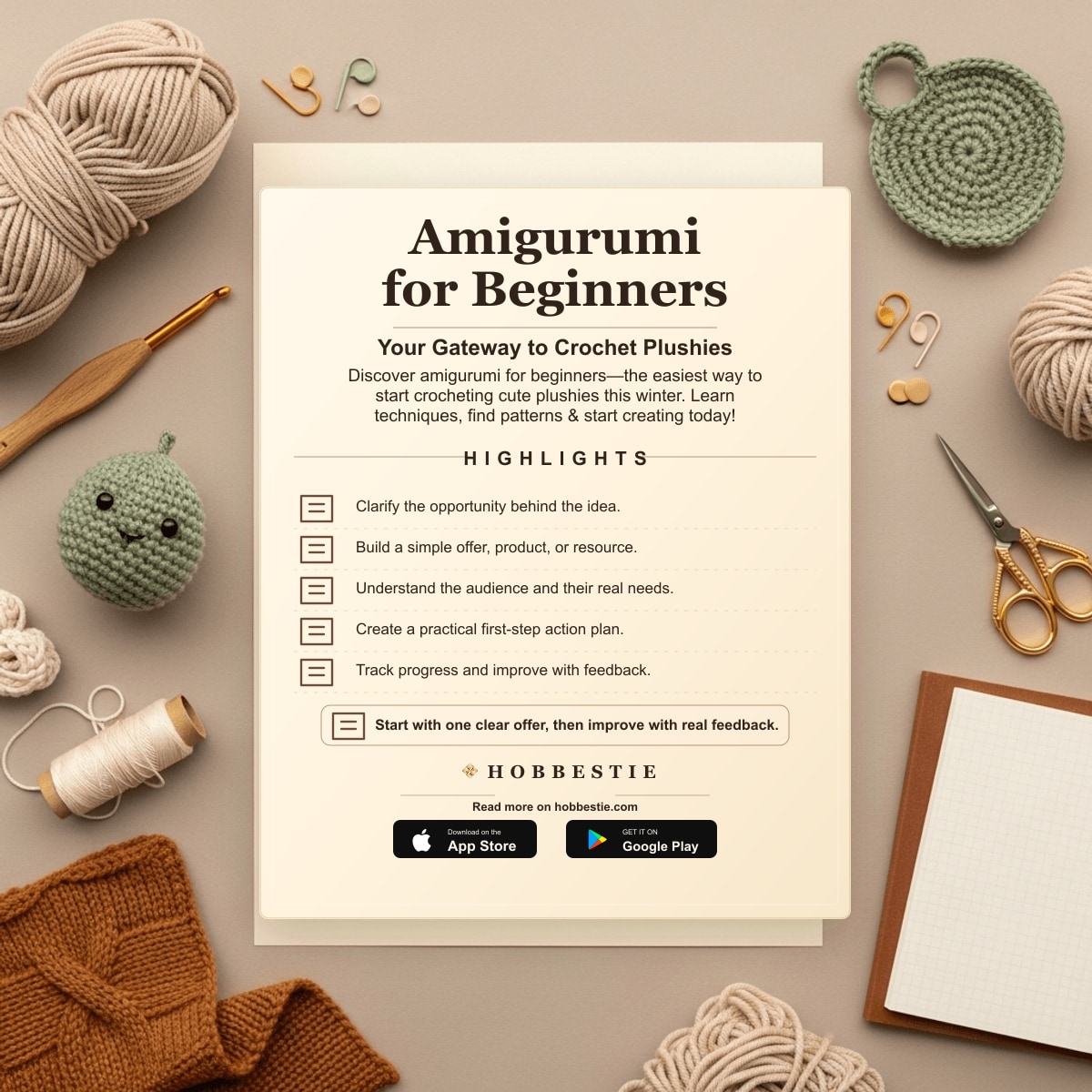
Why Amigurumi for Beginners is Taking Over Winter 2026
If you've been scrolling past adorable handmade plushies on your feed and thinking "I could never do that," it's time to reconsider. Amigurumi for beginners is the perfect entry point into crochet—easier than you think and way more rewarding than another streaming binge. Unlike traditional crochet projects that require memorizing dozens of stitch patterns, amigurumi uses just three basic techniques to create adorable stuffed animals, food items, and characters. This winter, thousands of crafters are discovering that creating cute plushies requires less skill than you'd expect and delivers that tangible satisfaction our screen-heavy lives desperately need.
The best part? You can complete your first project in a single cozy afternoon. While other hobbies demand expensive equipment or months of practice before you see results, beginner crochet plushies offer instant gratification without breaking the bank. For under $25, you'll have everything needed to start your first mushroom, bee, or blob ghost—and you might just discover your new favorite way to unwind after a long day of Zoom calls and notifications.
Why Amigurumi is the Perfect Gateway to Crochet
Simpler Than Traditional Crochet Projects
Here's the secret that makes how to start amigurumi so accessible: you're working in continuous spirals using the same stitch over and over. Unlike flat crochet projects that require turning chains, pattern reading, and complex stitch combinations, amigurumi keeps things beautifully simple. You'll master single crochet, increases, and decreases—that's literally it. Compare this to garment crochet, which demands knowledge of 20+ different stitches, sizing calculations, and gauge swatches.
The repetitive nature means your hands develop muscle memory fast. Within your first hour, you'll find yourself crocheting without constantly checking tutorials. This simplicity makes amigurumi perfect for learning while watching TV or listening to podcasts—true multitasking that actually relaxes rather than stresses you out.
Instant Gratification: Finish Projects in Hours, Not Months
Forget blankets that take three months or sweaters that require advanced math skills. Most easy amigurumi projects 2026 clock in at 2-4 hours from start to stuffed finish. You can literally start a mushroom plushie after breakfast and be posting your finished creation by lunch. This quick turnaround is perfect for attention spans shaped by TikTok and Instagram Reels—you'll see visible progress every 15 minutes.
Small projects also mean you can experiment with different designs without committing weeks of your life. Tried a bee and it turned out wonky? No problem—start a cat tomorrow. This low-stakes experimentation keeps the hobby fresh and prevents the burnout that comes from month-long projects that feel like homework.
Forgiving for Mistakes (Imperfections Add Character)
Here's where amigurumi really shines for nervous beginners: working in the round means your stitches hide inside the finished plushie. Those tension issues that would ruin a scarf? Completely invisible once you stuff your creation. Uneven stitches that would make a blanket look amateur? They add handmade charm to a plushie face.
The kawaii aesthetic that dominates amigurumi actually celebrates slight imperfections. A lopsided smile or asymmetrical ears make your plushie more unique and endearing, not less professional. This forgiving nature means you can focus on enjoying the process rather than stressing about perfection—a refreshing change from the curated perfection of social media.
The Therapeutic Benefits of Crocheting Plushies
Digital Detox That Actually Sticks
Unlike meditation apps you can ignore or screen-time limits you can override, crochet requires both hands and visual focus—making doomscrolling physically impossible. You can't hold your phone while working through a pattern, creating a natural barrier between you and the endless scroll. This forced disconnection happens organically, without the willpower battle that makes other digital detox attempts fail by day three.
Many crafters report that their crochet amigurumi tutorial sessions become their most genuinely phone-free time all week. The craft demands just enough attention to keep your mind engaged but not so much that it feels like work. It's the Goldilocks zone of activity—challenging enough to prevent boredom, simple enough to feel meditative.
Repetitive Motion as Meditation
Studies show that repetitive crafts lower cortisol levels by 25% and activate the same brain regions as meditation. The rhythmic single crochet stitch creates a flow state within 10-15 minutes, making it incredibly effective for anxiety management. Unlike trying to clear your mind (which often backfires), crochet gives your anxious brain something simple to focus on.
The bilateral movement of working with both hands also provides the same calming effect as EMDR therapy. You're essentially giving yourself a gentle reset with every stitch. Many crafters describe entering a trance-like state where hours pass without noticing—the opposite of anxiously checking the clock during a stressful day.
Creating Tangible Results in an Intangible World
When your work exists in emails, cloud documents, and Slack messages, creating something you can actually hold hits differently. Each completed plushie serves as tangible proof of time well spent, combating the digital fatigue that makes days blur together. Unlike leveling up in a game or completing a Netflix series, you have a physical object that exists in the real world.
This tangibility boosts self-efficacy in ways digital achievements can't match. You made something from literally nothing but string and a hook—that's genuinely impressive. The craft community aspect also provides authentic connection without algorithm-driven comparison culture. When someone compliments your plushie, they're responding to your actual creation, not your curated highlight reel.
What You Actually Need to Start (Under $25)
The Minimalist Starter Approach
Let's talk money. To start making beginner crochet plushies, you need a 3.5mm crochet hook ($3-5), two skeins of worsted weight yarn in your chosen colors ($6-8), polyester stuffing ($5-7), safety eyes ($4-6), a yarn needle ($2), and scissors you already own. Total investment: $20-25 maximum.
Compare this to other trending hobbies: pottery requires a wheel ($200+), kiln access ($50/month), and clay ($30+); painting demands quality brushes ($40), canvases ($50+), and paints ($40+); even knitting costs more since you need multiple needle sizes ($60+ for a decent set). Amigurumi wins the accessibility contest by a landslide, making it perfect for budget-conscious crafters testing the crafting waters.
Free Learning Resources That Actually Work
You don't need expensive classes to learn. YouTube offers thousands of crochet amigurumi tutorial videos showing exactly how to hold your hook, create magic rings, and work increases. Channels like Club Crochet and TL Yarn Crafts provide detailed beginner series that walk you through your first project step-by-step. The visual nature of video tutorials makes learning stitches infinitely easier than trying to decipher written instructions.
Reddit communities like r/Amigurumi and r/Crochet offer real-time help when you're stuck. Post a photo of your confusing stitches and get advice within hours from experienced makers who remember being exactly where you are. This free community support means you're never truly alone in your learning journey.
Digital Patterns vs. Free Patterns: What's Worth It
While amigurumi patterns free exist across the internet, they often lack the detailed photo tutorials and troubleshooting tips that prevent beginner frustration. Investing $3-8 in quality digital patterns from designers who specialize in beginner-friendly instructions saves hours of confusion and potential giving-up moments. Professional patterns include stitch counts for every row, assembly photos showing exactly where pieces attach, and often video support for tricky sections.
When you explore beginner amigurumi patterns in our digital marketplace at /marketplace/crochet-patterns, you'll find patterns specifically designed with first-time makers in mind. These patterns anticipate common confusion points and address them before you even encounter the problem. Think of it as paying for a patient teacher rather than trying to learn from cryptic abbreviations alone.
Your First Project: Choosing the Right Pattern
Beginner-Friendly Pattern Characteristics
Your first pattern should have fewer than five separate pieces to assemble. Look for designs labeled "beginner" or "easy" with construction that's mostly sphere-based—these use the same increase and decrease formula repeated in different sizes. Avoid patterns with 15+ pieces like detailed dragons or anatomically complex animals until you've completed at least three simpler projects.
The best starter patterns include row-by-row stitch counts in parentheses, so you can verify you're on track without counting every single stitch. Photo tutorials showing what each stage should look like are invaluable for catching mistakes early. Color-coded assembly diagrams help visual learners understand how pieces connect before you start sewing with a yarn needle.
Popular First Projects (Blobs, Mushrooms, and Simple Animals)
The trending easy amigurumi projects 2026 perfect for beginners include blob ghosts (literally just a sphere with a tail), mushrooms (a sphere cap plus cylinder stem), and simple bees (two spheres plus wings). These designs take 2-3 hours maximum and use the fundamental techniques you'll apply to every future project. Octopi are surprisingly beginner-friendly since the tentacles are just long tubes of single crochet.
Simple cats and bears work well because their bodies are basic spheres with small appendages attached. The minimalist aesthetic that's popular right now actually favors beginner skill levels—you don't need to create realistic details, just capture the essence of cute. A round body, dot eyes, and tiny ears instantly read as "adorable animal" regardless of your stitch perfection.
How to Read Amigurumi Patterns
Pattern abbreviations look intimidating but you'll use the same few repeatedly: sc (single crochet), inc (increase), dec (decrease), and round numbers. That's 90% of what you'll encounter. A typical row reads like "Rnd 5: [sc 3, inc] repeat 6 times (30)"—which means single crochet three stitches, increase once, repeat that pattern six times, ending with 30 total stitches.
The number in parentheses is your friend—it tells you exactly how many stitches you should have at the end of that round. If your count doesn't match, you know to recount and fix it before continuing. This built-in error-checking prevents the frustration of discovering your mistake 20 rows later. Digital patterns often include video walkthroughs for sections that commonly confuse beginners, a massive advantage over vintage printed patterns that assume prior knowledge.
From Hobby to Side Hustle: Monetizing Your Plushies
The Custom Plushie Market is Booming
Once you've completed 5-10 practice projects, you're ready to take commissions if you want. Custom amigurumi regularly sells for $30-150 depending on size and complexity, making it a viable side income for skilled makers. The market for personalized plushies is exploding, especially among fandoms seeking characters that don't exist in official merchandise.
Anime characters, video game mascots, and custom pet replicas are top sellers. People will pay premium prices for well-executed versions of their favorite characters or beloved pets captured in plushie form. Graduation gifts featuring school mascots, wedding cake toppers of couples, and memorial plushies of passed pets all command higher prices because of their emotional significance.
Pricing Your Work (Don't Undervalue Your Time)
New makers often underprice their work, but proper pricing ensures sustainability. Calculate your minimum price as (material cost × 2) + (hours × $15-25) + platform fees. A plushie that takes four hours with $8 in materials should sell for $76-116 minimum. Don't fall into the trap of charging $20 for something that took six hours—that's $3.33 per hour, well below any reasonable wage.
Remember that custom work commands premium pricing. When someone wants their specific OC or pet recreated, they're paying for your skill in translating 2D images into 3D plushies, not just your time crocheting. This creative labor deserves compensation beyond basic hourly rates. Join our crafting community at /community to discuss pricing strategies with other makers who've successfully built plushie businesses.
Building Your Plushie Brand on Social Media
TikTok and Instagram Reels showing your creation process generate organic commission requests without paid advertising. The making-of content sells itself—people love watching plushies come to life from a ball of yarn. Time-lapse videos of complete projects regularly go viral, bringing customers directly to your DMs asking about pricing and availability.
Start documenting your makes even as a beginner. Your improvement journey itself is compelling content that builds audience investment in your growth. Once you're ready for commissions, you already have followers who've watched your skill development. Browse our online crochet courses at /courses/crochet to learn photography and social media strategies specifically for craft businesses.
Seasonal opportunities multiply your earning potential: custom ornaments in winter, graduation gifts in spring, wedding cake toppers year-round. Digital pattern creation offers passive income—design once, sell unlimited downloads through Etsy or Ravelry. Many successful amigurumi artists earn more from pattern sales than custom commissions because patterns scale without requiring more of your time.
Your Cozy Winter Awaits
This winter doesn't have to be another season of endless scrolling and streaming. Amigurumi for beginners offers an accessible, affordable entry into a hobby that's genuinely therapeutic, creatively satisfying, and potentially profitable. You'll create adorable plushies while naturally disconnecting from screens, lowering your stress levels, and building a skill that produces tangible results.
The barrier to entry is remarkably low—under $25 and a few hours of practice separate you from your first completed plushie. Whether you're seeking a mindful activity, planning to make personalized gifts, or dreaming of a creative side hustle, amigurumi delivers on all fronts. The supportive community, simple techniques, and quick project timelines make this the perfect hobby for anyone who's ever thought "I wish I could make something with my hands."
Ready to create your first adorable amigurumi plushie? Browse our curated collection of beginner-friendly digital crochet patterns designed specifically for first-time makers. Each pattern includes detailed photo tutorials, stitch-by-stitch guidance, and access to our supportive maker community where you can share progress and get help when you're stuck. Download your first pattern today and join thousands of crafters who've discovered that the coziest winter hobby fits right in your hands. Your future plushie empire starts with a single stitch.