Birding for Beginners: Spring Migration Guide 2026
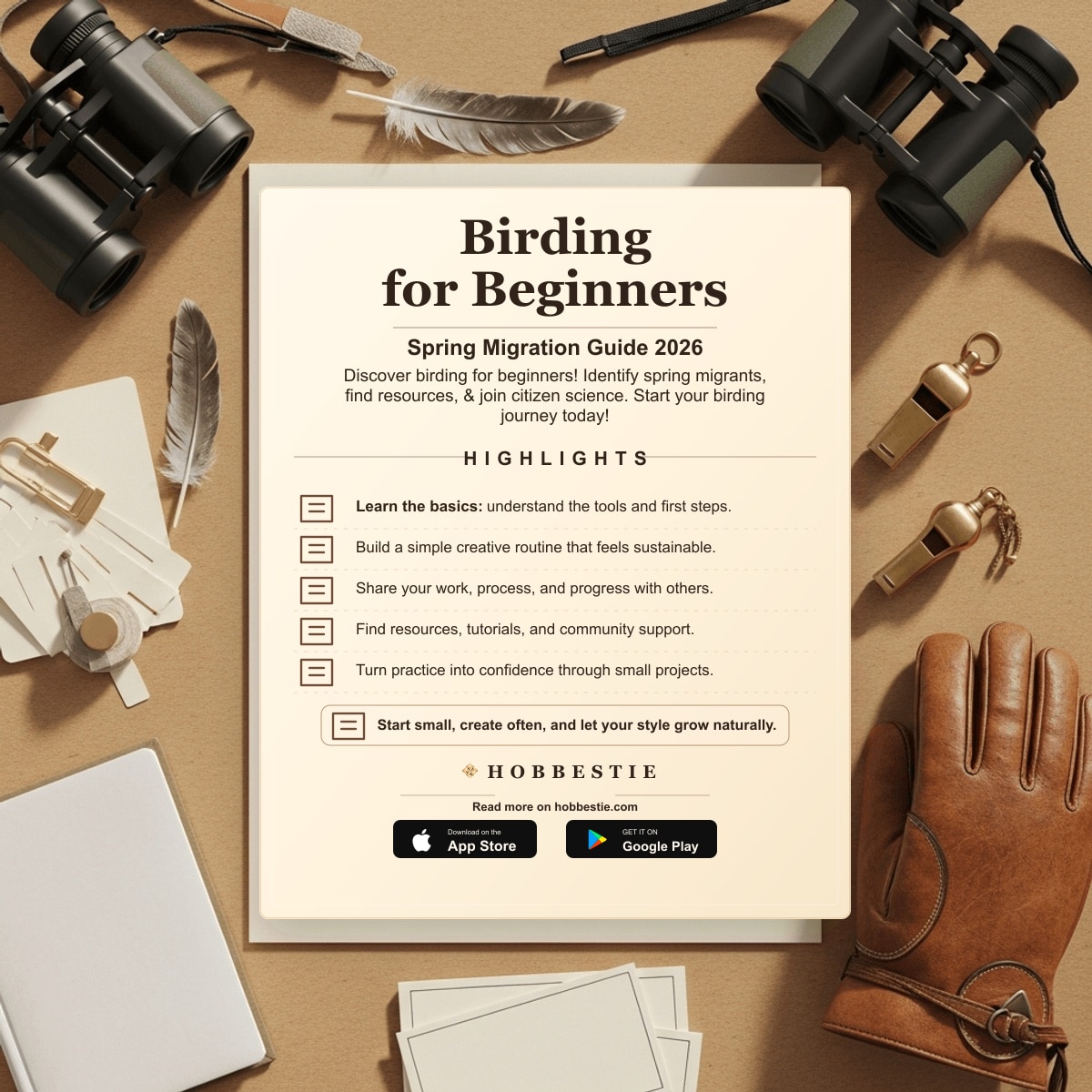
Birding for Beginners: Spring Migration Guide 2026
Are you looking for a relaxing and educational hobby that connects you with nature? Birding for beginners is the perfect choice! Spring migration offers a fantastic opportunity to witness the incredible journeys of birds as they return to their breeding grounds. This guide will provide you with the essential knowledge and resources to start your birding adventure, focusing on identifying common spring migrants, utilizing local resources, and contributing to citizen science projects. Let's get started!
Understanding Spring Migration
Why Birds Migrate in Spring
Birds migrate in spring primarily to reach their breeding grounds, where they can find suitable nesting sites and abundant food sources for their young. As the days lengthen and temperatures rise, insects and plants become more plentiful, providing the necessary sustenance for raising offspring. Migration allows birds to exploit these seasonal resources and maximize their reproductive success. This incredible journey is driven by instinct and triggered by environmental cues like changes in day length and temperature.
Timing is Everything: Peak Migration Periods
Predicting peak migration times can significantly enhance your birding experience. Use weather patterns and online resources to your advantage. South winds often bring waves of migrants, as birds take advantage of the favorable conditions. Websites like BirdCast and local birding reports can provide valuable insights into when specific species are expected to arrive in your area. Understanding these patterns will help you be in the right place at the right time to witness the spectacle of spring migration.
Common Migratory Birds to Watch For
Let's introduce you to a few common and easily identifiable migratory birds to watch for this spring:
-
American Robin: A familiar sight with its reddish-orange breast and cheerful song. They're often seen hopping on lawns searching for worms.
-
Barn Swallow: Known for their deeply forked tail and swift flight. Look for them near barns and other open structures where they build mud nests.
-
Red-winged Blackbird: Males are easily identified by their glossy black plumage and bright red shoulder patches. They often perch on cattails in marshes.
-
Baltimore Oriole: These vibrant birds are known for their bright orange plumage and intricate woven nests. Listen for their flute-like song in deciduous trees.
-
Ruby-crowned Kinglet: Tiny and active, these birds have a distinctive ruby-red crown (often hidden). They flit through trees searching for insects. Look for their nervous wing-flicking behavior.
Essential Birding Gear (Digital)
Binoculars: Choosing the Right Ones (Information Only)
While Hobbestie focuses on digital resources, it's worth briefly discussing binoculars. When choosing binoculars, consider magnification and field of view. A magnification of 8x or 10x is generally recommended for beginners. A wider field of view makes it easier to locate and follow birds. Remember this is informational only; Hobbestie is a digital marketplace.
Field Guides: Digital Resources for Identification
Digital field guides are invaluable tools for bird identification. Hobbestie's marketplace offers a variety of downloadable field guides and e-books. Look for guides with detailed illustrations, range maps, and identification tips. For example, the "Peterson Field Guide to Birds of North America - Digital Edition" features comprehensive information and high-quality illustrations. "Sibley Birds East - Ebook" is another great choice, known for its detailed depictions of birds in various plumages and behaviors. These digital resources are easily accessible on your smartphone or tablet, making them perfect for on-the-go identification.
Bird Song Apps: Learning to Listen
Bird song identification apps can significantly enhance your birding skills. Apps like Merlin Bird ID and Song Sleuth use sound analysis to identify birds by their songs and calls. Merlin Bird ID, developed by the Cornell Lab of Ornithology, is particularly user-friendly for beginners. Song Sleuth offers more advanced features for experienced birders. To use these apps effectively, practice recording bird songs in quiet environments and compare them to the app's suggestions. Check out downloadable guides on advanced app settings on the Hobbestie marketplace to maximize your learning. Listening carefully is key to successful birding.
Finding Birding Locations and Resources
Local Parks and Nature Reserves
Researching local parks and nature reserves is crucial for finding prime birding locations. Many parks offer trails specifically designed for birdwatching, with designated viewing platforms and information kiosks. Check park websites or contact local Audubon Society chapters for information about recent bird sightings and trail conditions. Remember to respect wildlife and follow park rules to minimize disturbance to birds and their habitats. Places like Central Park in New York City or Point Pelee National Park in Ontario, Canada, are renowned birding hotspots during migration.
Online Birding Communities
Joining online birding communities and forums can greatly enhance your birding experience. The Hobbestie community is a great place to connect with other birders. Sharing your sightings, asking questions, and learning from experienced birders is invaluable. Online communities often provide up-to-date information about bird sightings, migration patterns, and local birding events. Platforms like eBird's discussion forums and regional birding groups on Facebook are also excellent resources. Don't hesitate to engage and share your passion for birding with others.
Citizen Science Projects: Contributing to Conservation
Participating in citizen science projects is a rewarding way to contribute to bird conservation efforts. eBird, managed by the Cornell Lab of Ornithology, allows you to record your bird sightings and contribute valuable data to track bird populations and migration patterns. iNaturalist is another platform where you can document your observations of all living things, including birds. By participating in these projects, you help scientists monitor bird populations, understand habitat use, and assess the impacts of environmental changes. Downloadable guides on using these platforms effectively are available on Hobbestie, making it easy to get involved.
Tips for Ethical Birding
Respecting Wildlife and Habitats
Respecting birds and their habitats is paramount to ethical birding. Maintain a safe distance from birds, especially during nesting season. Avoid approaching nests or disturbing nesting areas. Minimize your impact on the environment by staying on trails, avoiding trampling vegetation, and packing out all trash. Remember, our goal is to observe birds without causing them stress or harm. Responsible birding ensures that future generations can enjoy these magnificent creatures.
Avoiding Disturbance
Avoiding disturbance is crucial, especially during nesting season. Discourage the use of playback calls, as they can disrupt bird behavior and cause unnecessary stress. Refrain from using flashing lights or drones near birds, as these can startle them and disrupt their natural activities. Be mindful of your movements and noise levels, especially in sensitive habitats. Responsible birding means minimizing our impact on the birds we observe.
Sharing Your Observations Responsibly
Share your observations ethically and responsibly. Protect sensitive locations by avoiding the public disclosure of nesting sites or areas with rare or endangered species. Be mindful of the information you share on social media and avoid contributing to the spread of misinformation. When sharing your sightings on citizen science platforms like eBird, ensure that your data is accurate and complete. Accurate data helps researchers make informed decisions about bird conservation efforts.
Continue Your Birding Journey
Advanced Identification Techniques
Ready to take your birding skills to the next level? Explore resources for learning advanced bird identification techniques. Studying plumage variations, analyzing flight patterns, and recognizing subtle vocalizations can help you identify even the most challenging species. Online courses and downloadable guides, available on Hobbestie, offer in-depth instruction on these advanced techniques. Resources like "The Crossley ID Guide: Eastern Birds" can help you understand how birds look in different habitats and lighting conditions.
Bird Photography Tips (Digital)
Enhance your bird photography skills with these tips for capturing stunning images using digital cameras or smartphones. Focus on capturing sharp images with good lighting and composition. Experiment with different angles and perspectives to create visually appealing photos. Hobbestie marketplace offers downloadable presets and editing tools to enhance your photos. Consider taking an online photography course to improve your skills further. A good photo captures a moment in time and tells a story.
Expanding Your Birding Knowledge
Continue expanding your birding knowledge by reading books, attending workshops, and joining birding organizations. The Hobbestie community offers ongoing learning and support for birders of all levels. Consider joining your local Audubon Society chapter or a regional birding club. These organizations offer field trips, workshops, and other educational opportunities. Birding is a lifelong journey of discovery, and there's always something new to learn.
Ready to start your birding adventure? Visit the Hobbestie marketplace for downloadable field guides, bird song tutorials, and access to a vibrant birding community. Downloadable resources are available to enhance your experience! Join our community today and share your sightings!