"Dopamine Menu Hobbies: 25 Joy-Boosting Ideas for 2026"
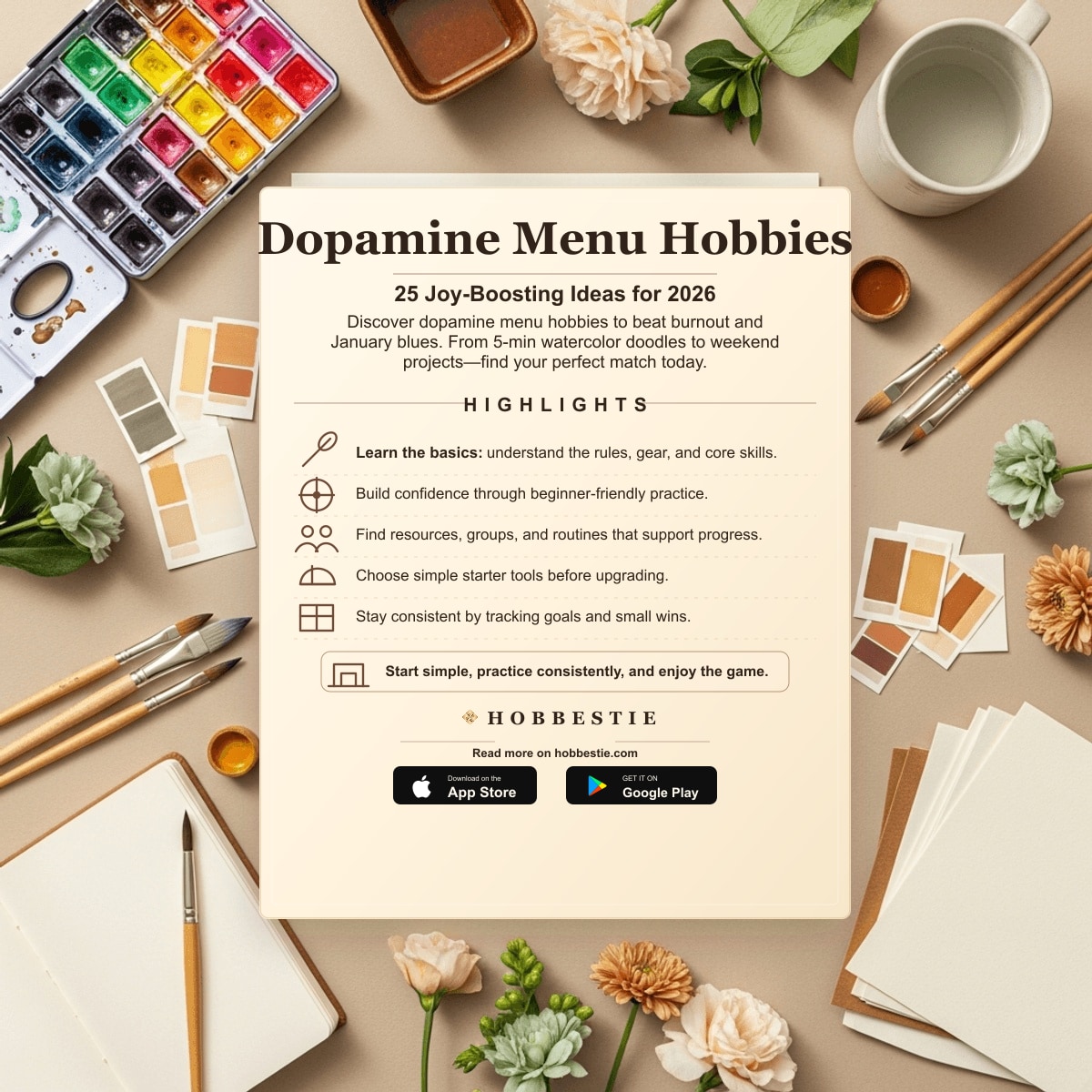
What Are Dopamine Menu Hobbies? (And Why They're Everywhere Right Now)
Your phone is exhausting you, isn't it? Between doomscrolling through news feeds and mindlessly refreshing TikTok, you're craving something real. Enter dopamine menu hobbies, the viral trend that's helping thousands of burned-out Gen Zers and millennials reclaim their joy in 2026.
The concept is brilliantly simple: create a personalized menu of activities that deliver genuine dopamine hits without requiring a screen. Just like a restaurant menu, your dopamine menu has categories: appetizers (quick 5-minute activities), entrees (30-minute deeper engagement), desserts (indulgent weekend projects), and sides (social activities). Each option is designed to pull you away from your phone and into experiences that actually fill your cup.
The Science Behind Your Dopamine Menu
Dopamine is your brain's reward chemical, and while social media hijacks this system with artificial hits, creative hobbies provide sustainable satisfaction. Research shows that hands-on creative activities increase dopamine production while reducing cortisol, the stress hormone. Unlike the hollow feeling after an hour of scrolling, completing even a tiny creative project leaves you energized.
The average person now spends 7+ hours daily on screens, and it's leaving us depleted. TikTok creators like @domesticblisters and @jessicaoutloud popularized the dopamine menu concept in late 2025, and it exploded because it addresses what traditional self-care advice misses: we need structure without pressure.
Why Traditional Hobbies Feel Too Hard Right Now
You've probably told yourself you should start painting or learn guitar, but the energy required feels insurmountable. That's burnout talking. Traditional hobbies often demand sustained focus, upfront investment, and visible progress, which feels impossible when you're already running on empty.
Dopamine menu hobbies flip this script. They're designed for your lowest-energy moments. Can't commit to a full art piece? Doodle for five minutes. Too tired for a novel? Write a three-line poem. These micro-hobbies honor where you actually are, not where productivity culture says you should be.
How This Differs From Toxic Productivity Culture
Here's what makes dopamine menus different: there's zero pressure to monetize, optimize, or master anything. You're not building a side hustle or becoming an expert. You're simply doing things that spark joy. If you try embroidery and hate it? Cross it off. No guilt, no sunk-cost fallacy.
This isn't about adding more to your plate. It's about replacing phone time with tangible experiences that leave you feeling human again. The goal isn't productivity; it's presence.
Appetizers: 5-Minute Dopamine Menu Hobbies for Instant Joy
Appetizers are your scroll-break replacements. These are the tiny hits of joy that take less time than watching three TikToks but deliver exponentially more satisfaction. Think of them as emergency exits from your phone.
Creative Quick Hits
Watercolor doodling in a pocket-sized sketchbook requires nothing but a travel paint set and two minutes. You're not creating gallery-worthy art; you're watching colors bleed together. Try writing three-line poems about whatever's in front of you—your messy desk, your cold coffee, the view from your window. These aren't for publication; they're for play.
Grab your phone (yes, really) but open the actual camera app. Spend five minutes experimenting with portrait mode, lighting angles, or macro shots of household objects. Taking one intentional photo engages your creative brain differently than passive scrolling. You could also sketch your coffee cup while it cools, focusing on the handle curve or the steam pattern.
Physical Movement Boosters
Put on your most embarrassing comfort song and have a 5-minute solo dance party. Lock the door, no witnesses necessary. Your body needs to move, and dancing releases endorphins alongside dopamine. Alternatively, pull up a single yoga or stretching video on YouTube—just one, then close the app.
Try mindfully walking to your mailbox, noticing five things you've never paid attention to before. If you're feeling adventurous, start learning to juggle with rolled-up socks or practice hula hooping in your living room. These aren't about skill; they're about getting out of your head.
Sensory & Mindful Micro-Moments
Create a tea brewing ritual with fancy loose-leaf tea, focusing entirely on the smell, color, and warmth. Light a candle and watch the flame dance for three minutes—it's meditative and costs nothing. Mist your plants while actually looking at their leaves, checking for new growth.
Here's a weird one that works: build one Lego piece per day on a set. The satisfaction is disproportionate to the effort. Or organize a single drawer, letting yourself enjoy the container sounds and visual order. These sensory experiences ground you in the present moment.
Use appetizers during commercial breaks, while coffee brews, or between work tasks. They're designed for the in-between moments when you'd typically grab your phone. Many people discover their deeper hobbies through appetizers—watercolor doodles lead to painting, plant misting sparks a propagation obsession.
Entrees: 30-Minute Hobbies That Actually Fill You Up
Thirty minutes is the sweet spot for flow state, that delicious feeling of total absorption. Entrees are substantial enough to satisfy but short enough to fit into real life. These are your weeknight hobbies, the ones you browse hobby communities near you to find others excited about.
Craft & Create Main Courses
Friendship bracelet making is having a massive resurgence, and not just for kids. The repetitive knotting is meditative, materials cost under $10, and you create wearable gifts. Plant propagation turns one plant into dozens—you're literally creating life with scissors and water. Watch roots develop over weeks, then pot your new plants or gift them.
Embroidery one-hoop projects take 2-4 sessions to complete and provide that perfect combination of mindless and mindful. You can stitch while listening to podcasts, making it a great multi-sensory experience. Polymer clay jewelry lets you create custom earrings, beads, or charms in a single session—just bake and wear.
Try spending 30 minutes editing photos from your camera roll with actual intention. Create a consistent aesthetic, make collages, or build a photo book. Scrapbooking with printed photos gives you tangible pages to flip through, and bullet journaling combines planning with artistic expression—but only if you find joy in it, not obligation.
Learn & Grow Activities
Duolingo gets more fun when you connect with accountability partners who text about their streaks. Make language learning social. Card tricks from YouTube tutorials give you party skills and impressive hand coordination. Start with one simple trick and master it before moving on.
Calligraphy practice requires just a brush pen and paper. Thirty minutes is perfect for drilling letter forms without cramping your hand. Teaching yourself ukulele basics is achievable because it's designed for beginners—four chords unlock hundreds of songs. Or follow a Bob Ross painting tutorial at his pace, happy little trees included.
Community-Connected Hobbies
Writing physical letters to friends creates anticipation on both ends—for you while writing, for them while receiving. The 30-minute time limit prevents perfectionism. Host tiny craft nights where everyone brings a simple project and works together. Book club discussions can happen online or in person, giving you social structure around reading.
When you find beginner-friendly classes for these activities, you tap into built-in community. Local hobby meetups introduce you to people with shared interests, and participating in online creative challenges (like Inktober or 100 Days Project) provides motivation without pressure. The social element transforms solitary hobbies into connection opportunities.
These 30-minute investments create momentum. You're not just passing time; you're building skills and relationships that compound over weeks.
Desserts: Indulgent Weekend Projects Worth Savoring
Desserts are your something-to-look-forward-to activities. These multi-hour projects deliver deep satisfaction and tangible results. They're weekend indulgences that remind you what it feels like to lose track of time in the best way.
Creative Deep Dives
Painting a full canvas gives you wall art and a sense of accomplishment that lasts. You don't need talent; you need willingness and a few hours. Sewing a complete tote bag from start to finish means you carry your creation everywhere. Building elaborate Lego sets is meditation disguised as play—follow instructions or freestyle.
Creating zines combines writing, illustration, and design into folded booklets you can photocopy and share. Developing film photography brings back analog magic; drop film off Friday, pick up prints Sunday, spend the afternoon organizing them. Baking and decorating cookies engages multiple senses and produces shareable treats. Macramé plant hangers turn rope into functional art over a Saturday afternoon.
These projects create before-and-after moments. You start with raw materials and end with something that exists because you made it exist.
Adventure & Exploration Treats
Thrifting full outfit styling turns shopping into a treasure hunt. Give yourself two hours and a character concept. Visit local museums with a sketchbook and sketch three pieces that move you. Nature photography hikes combine movement, fresh air, and creativity—bring an actual camera or use your phone with intention.
Geocaching adventures turn walks into quests using GPS coordinates to find hidden containers. Exploring new neighborhoods on foot with no destination reveals hidden gems. Attending craft fairs exposes you to new techniques and connects you with makers in your area.
These adventures get you out of your space and into experiences. They're especially valuable if you work from home and feel stuck in your routine.
Social Celebration Projects
Host themed dinner parties where the theme dictates everything—food, dress code, playlist. Organize clothing swaps where friends bring pieces they're done with and everyone leaves with new-to-them items. Collaborative art projects like group murals or quilt squares create shared memories.
Game nights with handmade elements—hand-lettered scorecards, homemade snacks, DIY decorations—elevate ordinary hangouts. Skill-share gatherings where each person teaches something they know (how to fold dumplings, basic juggling, card tricks) builds community while learning.
Frame desserts as rewards during tough weeks. Knowing you have a Sunday pottery session or Saturday thrift adventure waiting makes Monday bearable. As you repeat desserts, they often become easier and shift into regular entrees—your weekend painting session becomes a weeknight wind-down.
Building Your Personal Dopamine Menu (+ Where to Find Your People)
The most beautiful thing about dopamine menus is that yours will look completely different from anyone else's. This isn't a prescriptive list; it's a framework for discovering what actually brings you joy.
How to Customize Your Menu Without Overwhelm
Start with an honest audit: What activities have made you lose track of time recently? What did you love as a kid before productivity mattered? Which items from this article made you think "ooh, that sounds fun"? Write those down without judgment.
Next, identify low-barrier options in each category. Don't put "learn piano" as an appetizer when you don't own a keyboard. Be realistic about your current life: space constraints, budget, energy levels, and actual interests (not aspirational ones). Your menu should reflect who you are, not who Instagram thinks you should be.
Start small: Choose 2-3 appetizers and 1 entree to try this week. Add one dessert for this month. That's it. You can always add more, but starting with fewer options means you'll actually do them instead of feeling paralyzed by choice.
Match hobbies to your energy levels. Coming home exhausted? Hit an appetizer. Have a rare energized evening? Try an entree. Weekend with nothing scheduled? Dessert time. Mix solo and social options so you're not forcing yourself to be "on" when you need alone time, or isolated when you crave connection.
Finding Communities That Match Your Vibe
Hobbies feel more sustainable when you're not doing them alone. When you browse hobby communities near you, you discover people at your skill level who share your enthusiasm. Local watercolor meetups, plant swap groups, and embroidery circles exist in most cities—you just need to know where to look.
Beginner-friendly spaces are crucial. You want communities that celebrate starting, not just mastery. Online groups can be perfect for niche interests or when local options don't exist. Facebook groups, Discord servers, and Reddit communities offer connection without requiring pants.
The benefits of learning with others versus solo include built-in motivation, skill-sharing shortcuts, and genuine friendships. You're also way less likely to quit when someone's expecting you at Thursday night craft sessions. Plus, reducing phone dependence becomes easier when you're texting about real activities rather than sending memes into the void.
Keeping Your Menu Fresh (Without the Pressure)
Your dopamine menu isn't permanent. Create seasonal rotations: watercolor in spring, embroidery in winter, gardening in summer. Try one new appetizer monthly just to see what happens. Review quarterly: What actually gets used? What sits untouched? There's valuable information in both.
Here's your permission slip: abandon hobbies that don't serve you. You tried polymer clay and hated the texture? Delete it from your menu. You thought you'd love calligraphy but it feels like homework? Cross it off. This is explicitly anti-sunk-cost-fallacy. The goal is joy, not completion.
Keep your dopamine menu as a physical document—a cute printable on your fridge, a journal page, a handwritten list—instead of phone notes. The point is to reduce phone dependence, and having your menu visible reminds you of options when you're mindlessly reaching for your device.
Your menu grows and changes as you do. What brings dopamine in January might bore you by June. That's not failure; that's growth. Keep what works, release what doesn't, and stay curious about what might work next.
Ready to trade doomscrolling for dopamine that actually lasts? Your people are waiting. Browse local hobby communities, find beginner-friendly classes, and connect with others building their dopamine menus on Hobbestie. Whether you're looking for a watercolor buddy or want to start that weekend pottery class you've been thinking about, there's a space for you. Search hobbies near you and join a community that gets it—because the best hobbies are the ones we don't do alone. Your January blues don't stand a chance.