Gratitude Journaling for Beginners: Spring Into Positivity
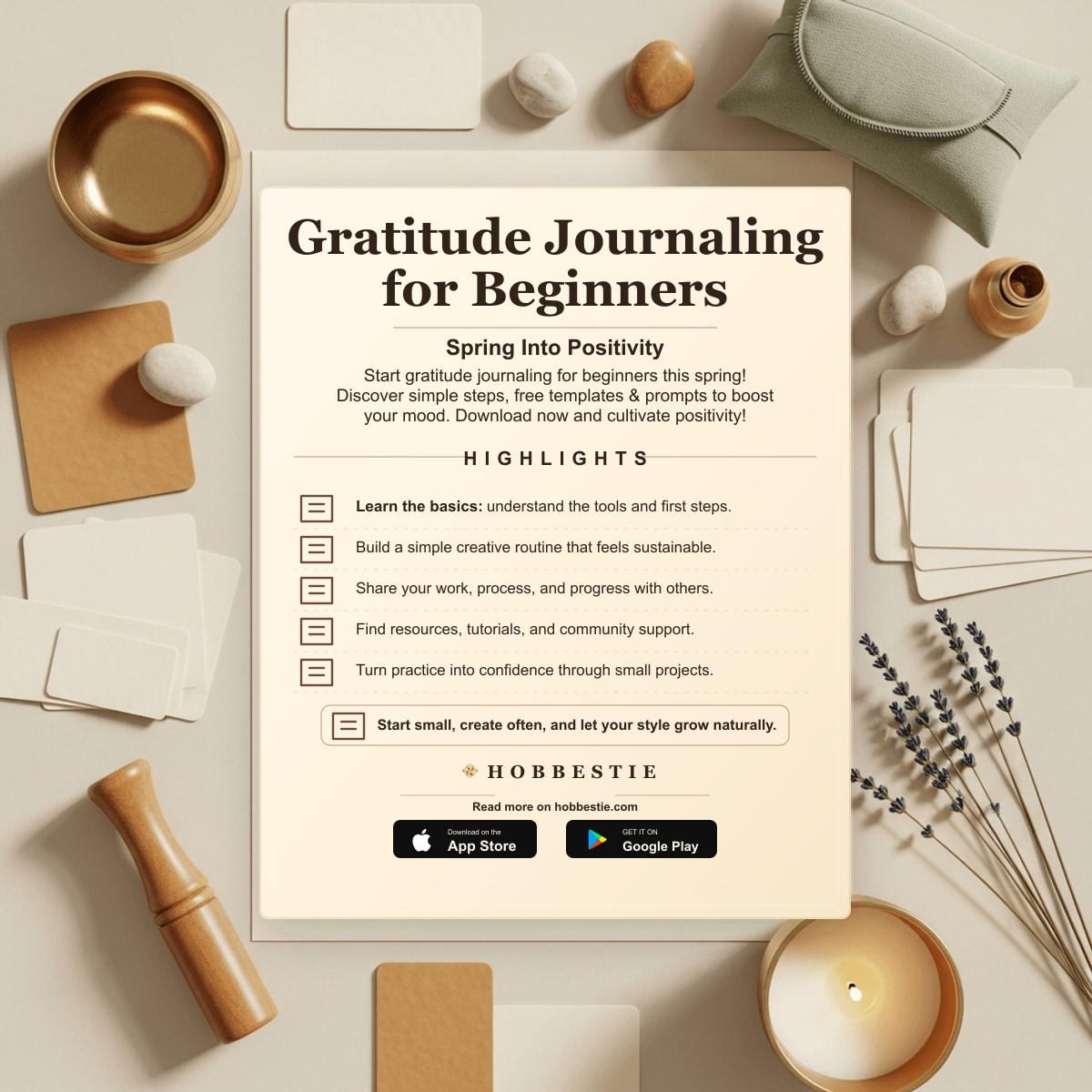
Gratitude Journaling for Beginners: Spring Into Positivity
Spring is a time of renewal, growth, and fresh starts. What better way to embrace the season than with gratitude journaling for beginners? This simple practice can transform your outlook, reduce stress, and cultivate a deeper appreciation for the good things in your life. This guide will provide actionable steps to start gratitude journaling this spring, complete with free downloadable templates and seasonal prompts.
Section 1: Why Gratitude Journaling? Unlocking the Benefits
Gratitude journaling isn't just a feel-good activity; it's rooted in science and has profound effects on your well-being. By consciously focusing on what you're grateful for, you can rewire your brain for positivity and unlock a happier, healthier you.
The Science of Gratitude
Gratitude has a neurological basis. Studies show that practicing gratitude activates the ventral tegmental area (VTA) in the brain, which is associated with pleasure, reward, and motivation. This activation releases dopamine and serotonin, neurotransmitters that contribute to feelings of happiness and well-being. Regularly engaging in gratitude practices can strengthen these neural pathways, making it easier to experience positive emotions.
For instance, researchers at UC Berkeley found that people who consistently practiced gratitude showed greater activity in the medial prefrontal cortex, an area associated with moral judgment and social cognition. This suggests that gratitude can also enhance empathy and compassion. When you appreciate the good things in your life, you're more likely to be kind and generous to others.
Mental and Emotional Well-being
Gratitude journaling has been shown to significantly improve mental and emotional well-being. It can help reduce stress, anxiety, and even symptoms of depression. When you focus on the positive aspects of your life, you're less likely to dwell on negative thoughts and worries.
One study published in the Journal of Positive Psychology found that participants who kept a gratitude journal for just 15 minutes a day reported lower levels of stress and higher levels of happiness. Gratitude can also help you build resilience and cope with challenging situations. For example, if you're feeling overwhelmed at work, taking a few minutes to write down what you're grateful for – like a supportive colleague or a successful project – can shift your perspective and help you feel more grounded. Even hobbies like learning to paint with watercolors can be appreciated, reflecting on the joy of creating something beautiful.
Gratitude and Physical Health
The benefits of gratitude extend beyond mental and emotional well-being; it can also positively impact your physical health. Studies have linked gratitude to improved sleep, a stronger immune system, and even a reduced risk of heart disease. When you're feeling grateful, you're more likely to take care of your body and engage in healthy behaviors.
Research has shown that people who practice gratitude tend to sleep better and longer. A study published in the journal Sleep found that participants who kept a gratitude journal before bed reported falling asleep faster, sleeping more soundly, and feeling more refreshed in the morning. Additionally, gratitude can boost your immune system by reducing stress hormones like cortisol, which can weaken your body's defenses. Think about how grateful you are for your health and the ability to enjoy activities like hiking or playing the guitar.
Section 2: Getting Started: Your Spring Gratitude Journal
Starting a gratitude journal doesn't have to be complicated. The key is to find a method that works for you and to make it a consistent part of your routine. Here’s how to get started with your spring gratitude journal.
Choosing Your Journaling Method
There are several different journaling methods you can try. Free writing involves simply writing down whatever comes to mind, without worrying about grammar or structure. Prompt-based journaling uses specific questions or prompts to guide your reflections. Bullet journaling combines journaling with to-do lists and other organizational tools. Experiment with different methods to find the one that resonates with you.
If you enjoy structured activities, prompts might be best. If you prefer a more free-flowing approach, free writing might be a better fit. For example, if you love planning your week, you could incorporate gratitude prompts into your planner pages. Or, if you're learning a new skill like coding, you might reflect on the progress you've made and the challenges you've overcome. Remember to Explore gratitude journal templates for inspiration.
Setting the Stage: Creating a Gratitude Ritual
Creating a relaxing and consistent journaling environment can help you foster a positive mindset. Find a quiet space where you can focus without distractions. This could be a cozy corner in your home, a peaceful spot in your garden, or even a park bench. Establish a routine by journaling at the same time each day.
Consider lighting a candle, playing calming music, or brewing a cup of tea. These small rituals can help you relax and get into a grateful frame of mind. For instance, you might light a lavender candle and play classical music while you journal. Or, you might enjoy a cup of chamomile tea while reflecting on the day's blessings. Make it a special time to appreciate your hobbies, like the satisfaction of finishing a knitting project or the joy of sharing a delicious meal with friends.
Essential Supplies (Digital!)
Forget the pen and paper! In this digital age, there are countless resources to enhance your gratitude journaling experience. Hobbestie offers a wealth of digital tools, including apps, templates, and online courses. Digital journaling allows you to access your journal anytime, anywhere. Plus, it's more environmentally friendly!
Consider using a gratitude journaling app on your phone or tablet. These apps often include features like daily prompts, customizable templates, and reminders. You can also find a variety of gratitude journal templates online, which can help you structure your entries and focus on specific areas of gratitude. Consistency is key, even if it's just a few minutes each day. For example, if you are a digital artist, you might appreciate the convenience of using a tablet to journal about your creative process.
Section 3: Spring-Inspired Gratitude Prompts: Sparking Joy
Spring offers a wealth of inspiration for gratitude journaling. Use these spring-inspired prompts to spark joy and cultivate a deeper appreciation for the season.
Nature's Beauty: Appreciating the Season
Spring is a time of blooming flowers, chirping birds, and fresh air. Take a moment to appreciate the beauty of nature and reflect on what it means to you. Here are some prompts to get you started:
- What is your favorite thing about the blooming flowers?
- What are you grateful for in nature today?
- How does the changing weather make you feel?
- What new life are you witnessing this spring?
- What sounds of nature bring you joy?
For example, if you enjoy gardening, you might write about the satisfaction of planting seeds and watching them grow. Or, if you like birdwatching, you might reflect on the beauty of a robin building its nest. Even a simple walk in the park can provide ample opportunities for gratitude. Think about the joy of seeing the first butterflies of the season or the vibrant colors of the spring foliage. If you are a photographer, you might be grateful for the chance to capture the beauty of spring in your images.
Simple Pleasures: Finding Joy in the Everyday
Gratitude isn't just about big events; it's also about appreciating the simple pleasures in life. These prompts will help you find joy in the everyday moments:
- What small act of kindness made you smile today?
- What are you grateful for in this moment?
- What simple pleasure did you enjoy today?
- What made you laugh today?
- What are you looking forward to this week?
Perhaps you're grateful for a warm cup of coffee in the morning, a friendly conversation with a neighbor, or the feeling of sunshine on your skin. These small moments of joy can often be overlooked, but they can have a big impact on your overall happiness. If you enjoy cooking, you might be grateful for the opportunity to create a delicious meal for your loved ones. Or, if you're a musician, you might appreciate the feeling of playing your favorite song. The joy of completing a puzzle or reading a good book are other small pleasures worth noting.
Personal Growth: Reflecting on Your Journey
Spring is also a time for personal growth and reflection. Use these prompts to reflect on your journey and appreciate how far you've come:
- What is one thing you've learned about yourself recently?
- What are you proud of accomplishing?
- What challenges have you overcome?
- What are you grateful for in your personal growth?
- How have you grown in the past year?
Maybe you've learned a new skill, overcome a fear, or made progress towards a personal goal. Take time to acknowledge your accomplishments and celebrate your growth. For example, if you've been working on improving your fitness, you might be grateful for the progress you've made and the positive impact it's had on your health. Or, if you've been learning a new language, you might be proud of your ability to communicate with people from different cultures. Remember, there are no right or wrong answers; just authentic reflection.
Section 4: Overcoming Challenges: Staying Consistent and Positive
Gratitude journaling is a powerful tool, but it's not always easy. Here's how to overcome common challenges and stay consistent and positive:
Dealing with Negative Thoughts
It's normal to experience negative thoughts from time to time. When negative thoughts arise, acknowledge them without judgment. Then, gently shift your focus back to gratitude. You can do this by asking yourself what you can learn from the situation or by focusing on the positive aspects of your life.
For example, if you're feeling frustrated about a setback at work, you might acknowledge your frustration but then shift your focus to what you're grateful for in your job, such as your colleagues or the opportunities for growth. Or, if you're feeling down about a personal challenge, you might focus on the support you're receiving from friends and family. Remember, gratitude doesn't mean ignoring your problems; it means choosing to focus on the positive aspects of your life despite them.
Time Management: Making Gratitude a Priority
One of the biggest challenges to gratitude journaling is finding the time. To make gratitude a priority, schedule it into your day. Set a reminder on your phone or calendar to journal at the same time each day. Even just five minutes of gratitude journaling can make a difference.
Consider using a digital journal on your phone so you can journal on the go. You can also incorporate gratitude into other activities, such as your morning commute or your evening routine. For example, you might listen to a gratitude meditation during your commute or write down three things you're grateful for before you go to bed. Even if you're busy learning a new skill like woodworking, take a moment to appreciate the process and the joy of creating something with your hands.
Avoiding Comparison
Comparison is the thief of joy. It's easy to fall into the trap of comparing yourself to others, especially in the age of social media. When you find yourself comparing yourself to others, remind yourself that everyone's journey is unique. Focus on your own progress and celebrate your own accomplishments.
Remember that social media often presents an idealized version of reality. People tend to share their highlight reel, not their everyday struggles. Instead of comparing yourself to others, focus on what you're grateful for in your own life. Appreciate your unique talents, experiences, and relationships. For example, if you're learning to play the piano, don't compare yourself to professional musicians. Instead, focus on the progress you've made and the joy of playing your favorite songs. Focus on your journey of learning to bake and making delicious pastries, rather than comparing your skills to professional bakers.
Section 5: Elevate Your Practice: Digital Tools & Templates
Ready to take your gratitude journaling practice to the next level? Here are some digital tools and templates to help you elevate your experience:
Free Printable Spring Gratitude Journal Template
Download our free spring-themed gratitude journal template (PDF) to get started right away. This template includes daily prompts, space for reflection, and beautiful spring-inspired designs. It's the perfect way to infuse your gratitude practice with the beauty of the season. This template will help you structure your entries and focus on specific areas of gratitude.
Curated Digital Resources on Hobbestie
Hobbestie offers a wealth of digital resources to support your gratitude journaling practice. Explore gratitude journal templates, online courses on mindfulness, and digital art for inspiration. Our digital templates are designed to be used on your tablet or computer. Discover mindfulness courses to deepen your understanding of gratitude and learn new techniques for cultivating positivity. These resources are designed to help you make the most of your gratitude practice.
Joining a Gratitude Community
Connect with others who are passionate about gratitude by Join the Hobbestie Community. Sharing your experiences and connecting with others can provide support, inspiration, and accountability. You can share your gratitude entries, ask questions, and offer encouragement to others. A supportive community can help you stay motivated and committed to your gratitude practice. You can also find inspiration from others and learn new ways to express gratitude. Share your creative hobbies and passions with others in the community.
CTA: Ready to cultivate a more grateful and joyful life this spring? Download our free gratitude journal template and explore the wealth of digital resources available on Hobbestie. Start your journey to positivity today!