How to Start Amigurumi: Your Fast-Track Crochet Guide
What Makes Amigurumi Perfect for Crochet Beginners
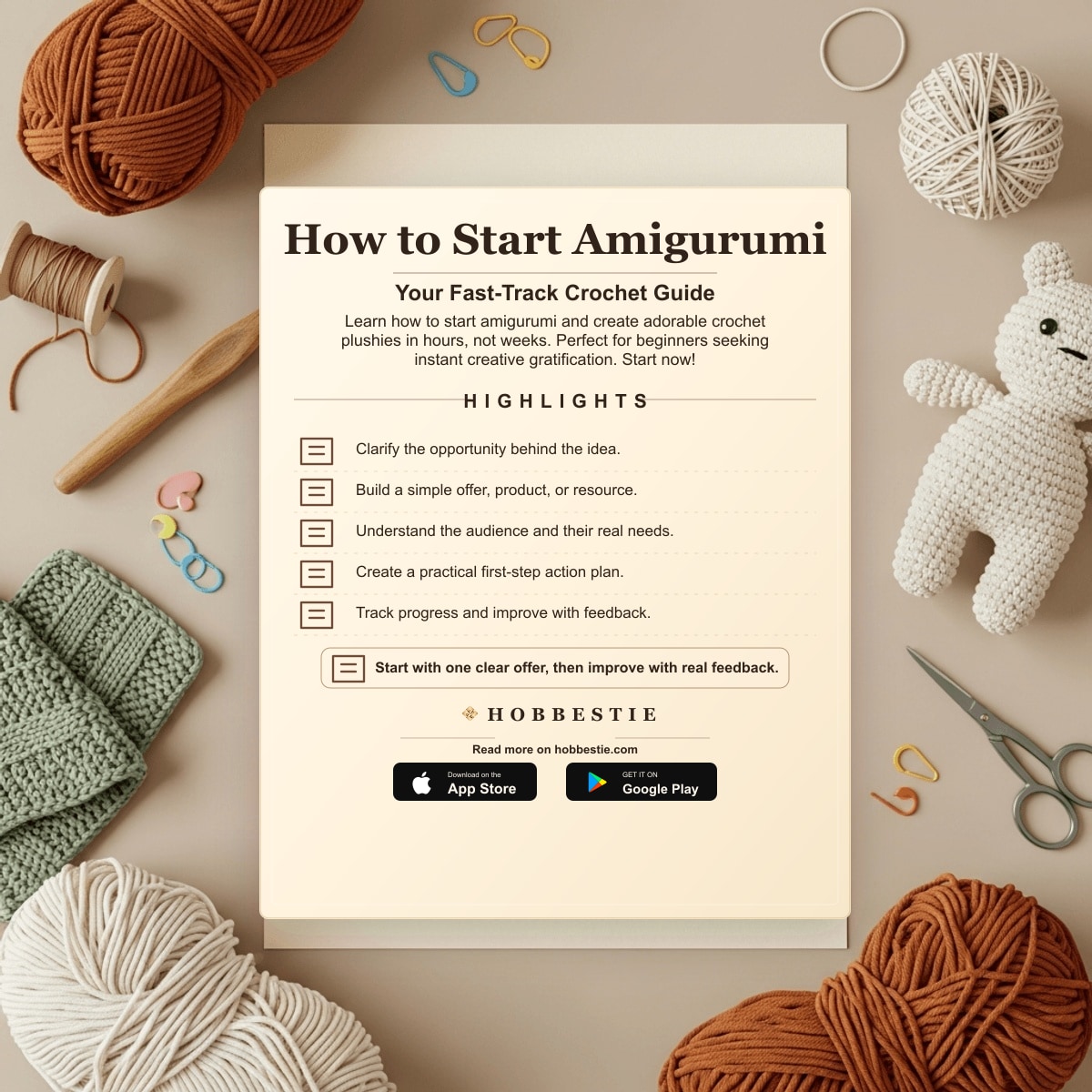
If you're wondering how to start amigurumi, you've discovered the secret shortcut to crochet satisfaction. Unlike traditional crochet projects that take weeks or months to complete, these adorable Japanese-style plushies deliver instant gratification that keeps you hooked from your very first project.
Why Tiny Plushies Beat Traditional Crochet Projects
Let's be honest: the thought of crocheting a blanket sounds cozy until you realize it's a three-month commitment. Amigurumi for beginners offers something completely different. You can finish a cute mushroom, chunky bee, or tiny octopus in a single evening, then wake up to a finished project ready for your Instagram feed. That's the kind of dopamine hit that turns casual crafters into devoted crochet enthusiasts.
The beauty of starting with crochet plushies tutorial projects is the low commitment factor. If you mess up or hate your color choice, you've only invested a few hours and maybe $5 worth of yarn. Compare that to discovering you hate knitting after investing weeks into a scarf, and you'll understand why amigurumi converts so many people into lifelong fiber artists.
The Instant Gratification Factor: Finish Tonight, Post Tomorrow
Most beginner amigurumi patterns take between two and four hours to complete. That means you can start after dinner and have a finished plushie before bed. This quick turnaround is absolutely crucial for maintaining motivation when you're learning a new skill. You get to experience the full creative cycle—starting, making, finishing, and sharing—in one sitting.
The social media appeal can't be overstated either. Your first wonky little blob creature is inherently adorable and shareable. Post it with a caption about learning something new, and watch the encouragement roll in. That external validation fuels your motivation to make another, then another, until suddenly you've got a whole shelf of tiny friends and a solid new hobby.
Amigurumi's Forgiving Nature (AKA Why Your Mistakes Won't Show)
Here's the secret that makes amigurumi perfect for absolute beginners: the tight stitches and stuffing hide almost everything. Inconsistent tension that would create obvious gaps in a flat scarf? Completely invisible once you stuff your plushie. Accidentally added an extra stitch in round seven? Your octopus just has a slightly rounder head now, and honestly, it adds character.
The three-dimensional structure works in your favor in ways flat crochet never could. While a blanket displays every tension variation and stitch mistake for the world to see, amigurumi's sculptural nature disguises your learning curve. This forgiving quality means you can focus on building muscle memory and understanding stitch mechanics without the pressure of perfection.
Essential Skills You Need to Start (Spoiler: Just 2 Basic Stitches)
The barrier to entry for amigurumi is delightfully low. You don't need to master fifteen different stitches or understand complex pattern reading. In fact, you can create adorable plushies with just two fundamental techniques and a willingness to learn as you go.
The Magic Ring: Your Amigurumi Foundation
The magic ring (also called a magic circle) is the foundation technique that separates amigurumi from other crochet styles. This adjustable loop creates a tight center with no visible hole—crucial for making plushies that don't leak stuffing or look unfinished. It looks intimidating in written instructions, but once you watch a video tutorial and practice it three times, it clicks.
Don't stress if your first few magic rings feel awkward or unravel unexpectedly. Every single crocheter has battled this technique, cursed at their yarn, and eventually figured it out. The muscle memory develops quickly, and within your first project, you'll be starting each piece with a confident magic ring.
Single Crochet: The Only Stitch You Really Need
Here's the beautiful truth about amigurumi starter kit skills: single crochet is approximately 90% of all amigurumi work. Master this one stitch, and you can create hundreds of different plushies. Increases (adding stitches to make your work wider) and decreases (removing stitches to make it narrower) are just simple variations of single crochet.
This singular focus makes the learning curve incredibly manageable. You're not trying to remember the difference between double crochet, half-double crochet, and treble crochet. You're just getting really, really good at one stitch while learning how to shape it into three-dimensional forms.
Reading Patterns: Decoding the Abbreviations
Amigurumi patterns look like secret code at first glance, but they follow completely consistent logic. The abbreviations are straightforward: sc means single crochet, inc means increase, dec means decrease. A pattern line like "Rnd 3: [sc 2, inc] x 6" translates to "repeat the sequence of two single crochets followed by one increase six times around."
Most easy amigurumi projects include stitch counts at the end of each round, so you can verify you're on track. Stitch markers become essential tools for tracking where each round begins, since amigurumi works in continuous spirals rather than joining and turning like traditional crochet. Within your first project, pattern reading transforms from confusing to intuitive.
Your First Project: Choosing the Right Beginner Pattern
Pattern selection can make or break your first amigurumi experience. Choose too ambitiously, and you'll get frustrated. Choose too simply, and you might get bored. The sweet spot exists right in the middle, where patterns challenge you just enough to build skills while remaining achievable.
Spheres and Blobs: The Easiest Starting Shapes
Start with sphere-based designs like mushrooms, bees, simple octopi, or basic balls. These projects teach you the fundamental shaping technique—increasing rounds to grow the sphere, straight rounds for the middle, and decreasing rounds to close it up—without overwhelming you with complex construction or assembly.
Avoid patterns with lots of color changes, tiny appendages, or intricate shaping details for your first few projects. A chunky mushroom with a simple stem and cap teaches you everything you need to know without the frustration of switching yarns every few stitches or attaching dozens of small pieces.
Downloadable Patterns That Set You Up for Success
Look for patterns specifically labeled "beginner-friendly" that include stitch counts for each round. Browse beginner amigurumi patterns in our digital marketplace to find options with detailed instructions, photo tutorials, and community support built in. Digital patterns offer the advantage of zooming in on charts, printing only the pages you need, and accessing updates if the designer improves the pattern.
The instant accessibility of downloaded patterns means you can start crocheting within minutes of deciding to learn. No waiting for shipping, no trips to craft stores—just immediate access to clear instructions that get you making right away.
Free vs Premium Patterns: What You Actually Get
Free patterns are excellent for testing whether you enjoy amigurumi before investing money. However, premium patterns typically offer significantly better instructions, troubleshooting sections, photo tutorials for tricky parts, and designer support if you get stuck. The $3-8 investment in a quality beginner pattern often saves hours of frustration.
Building a digital pattern library lets you collect designs without physical storage clutter. Download multiple patterns when you find designers whose instruction style clicks with your learning preferences. Having options ready means you can ride the wave of inspiration whenever it strikes, rather than losing momentum while searching for your next project.
Learning Resources That Actually Work for Beginners
The abundance of learning resources available today means you can learn amigurumi in whatever format suits your learning style best. Mix and match approaches until you find the combination that makes techniques click for you.
Video Tutorials vs Written Patterns: Finding Your Learning Style
Video tutorials let you see exactly how hands should move, how yarn should wrap, and how stitches should look. The ability to pause, rewind, and replay tricky sections at your own pace removes the pressure of keeping up with an in-person class. Many crafters find that watching a video tutorial once, then following a written pattern, gives them the best of both worlds.
Some people are visual learners who need to see techniques in motion. Others prefer written instructions they can reference quickly without scrubbing through video. There's no wrong answer—experiment with both formats to discover what helps techniques stick in your memory.
Online Courses That Fast-Track Your Skills
Explore online crochet courses that provide structured learning paths from absolute beginner to intermediate level. Digital courses often bundle pattern libraries, troubleshooting worksheets, and lifetime access, giving you a comprehensive learning system rather than piecemeal tutorials. The structured progression prevents the overwhelm of not knowing what to learn next.
Many course creators offer money-back guarantees if their teaching style doesn't resonate with you. This risk-free trial period lets you invest in quality instruction without fear of wasting money on an approach that doesn't match your learning preferences.
Joining the Amigurumi Community for Support
Join our crafting community to access real-time troubleshooting when you're stuck on a confusing round. Community forums and groups normalize the learning curve—seeing other beginners work through the same challenges reminds you that struggle is part of the process, not a personal failing. Crochet-alongs (CALs) provide accountability and shared learning experiences that make the journey more social and fun.
The encouragement from fellow makers often provides the motivation boost you need to push through frustrating moments. Plus, experienced crocheters remember being beginners and genuinely enjoy helping newcomers succeed. Don't hesitate to ask questions—the amigurumi community is notably welcoming and supportive.
From Hobby to Side Hustle: The Amigurumi Business Path
Once you've mastered the basics, amigurumi offers surprisingly accessible paths to monetization. Whether you want to sell finished plushies or design patterns, the market for handmade and digital crochet products continues growing.
Why Custom Plushies Sell (And What People Actually Buy)
Custom amigurumi commands premium prices because people pay for personalization and handmade quality. Pet portraits in plushie form, wedding cake toppers featuring the couple, and fandom characters sell consistently well. Prices typically range from $30 for simple designs to $100+ for complex custom orders, making this a genuinely viable side income.
The key is positioning your work as custom art rather than competing with mass-produced toys. Emphasize the personalization, the hours of skilled handwork, and the unique nature of each piece. Customers seeking meaningful gifts or personalized decor happily pay craft-fair prices for quality amigurumi.
Pricing Your Work Without Undervaluing Your Time
Many beginners drastically underprice their work, charging barely more than materials cost. A helpful formula is (yarn cost + stuffing cost) x 3, plus $10-15 per hour of work. This ensures you're compensated for your skill and time, not just covering supplies. Don't apologize for your prices—handmade items should cost more than factory-produced alternatives.
As your skills improve and you develop signature styles, your prices should increase accordingly. Track your time on projects to understand your actual hourly rate, then adjust pricing to meet your income goals.
Selling Digital Patterns: The Passive Income Angle
Pattern design offers passive income potential without inventory management or shipping logistics. Create a pattern once, then sell it infinitely without additional work per sale. Selling patterns on the Hobbestie marketplace connects you with crafters actively seeking new projects, providing built-in traffic and credibility.
Start by documenting your original designs or significant modifications to existing techniques. As you develop a catalog of 10-15 patterns, the passive income compounds. Pattern shops require less startup investment than selling finished items, making this an accessible entry point for monetizing your hobby.
Avoiding Common Beginner Mistakes (Learn from Others' Frogging)
Every crocheter makes mistakes—the difference between frustrated beginners and successful crafters is knowing which mistakes matter and which add character. Learning from common pitfalls helps you progress faster and enjoy the journey more.
Tension Troubles and How to Fix Them
Too-loose stitches that let stuffing peek through is the most common beginner issue. The solution is simply practice—your natural tension will tighten as your hands learn the movements. Some crafters size down their hook to force tighter stitches, but this creates other tension issues. Consistent tension matters more than tight tension, so focus on making each stitch feel similar to the last.
If stuffing shows through your finished plushie, you have two options: embrace the handmade aesthetic (it really does add character), or line the inside with a scrap of fabric before stuffing. Both solutions work perfectly fine, and neither means you've failed.
When to Frog It and When to Embrace the Quirk
"Frogging" (ripping out stitches—"rip it, rip it" sounds like a frog) is completely normal. Even experienced crocheters regularly undo work when they notice mistakes. The question is whether the mistake affects structural integrity or just aesthetics. If your plushie's head won't stay attached, frog it. If one eye sits slightly higher than the other, that's personality.
Keep your wonky first projects as progress markers. Looking back at your early work after six months of practice provides incredible motivation and proof of improvement. Those lopsided beginnings become beloved reminders of your learning journey.
Building Skills Progressively Without Burning Out
Don't jump to complex patterns too quickly just because you successfully completed one project. Build confidence through multiple successful completions at each skill level before advancing. Making three different simple spheres teaches you more than struggling through one advanced project above your current abilities.
Take breaks when frustrated—crochet should be relaxing, not stressful. If you're not enjoying the process, you're either pushing too hard or working on the wrong project. Switch to something easier, take a day off, or try a different pattern. Progress photos document your improvement and provide motivation on tough days when everything feels difficult.
Next Steps: Growing Your Amigurumi Skills
Once you've completed a few basic projects, the amigurumi world opens up with exciting intermediate techniques and community opportunities. Continuing to challenge yourself keeps the hobby fresh and engaging.
Intermediate Techniques Worth Learning Next
Color changes and stripes add visual interest without significantly increasing difficulty. Surface details like embroidery and facial features bring personality to basic shapes—learning a few simple embroidery stitches dramatically expands your creative options. Wire armatures create poseable limbs for advanced projects, transforming static plushies into adjustable characters.
Each new technique builds on your existing foundation rather than requiring completely new skills. This progressive complexity keeps you challenged without overwhelming you, maintaining that sweet spot where learning feels rewarding rather than frustrating.
Building Your Digital Pattern Library
Expand your downloaded pattern collection across skill levels to have options for different moods and time availability. Sometimes you want a challenging project that requires focus; other times you want an easy, mindless make while watching TV. Organizing patterns in cloud storage provides easy access from any device, whether you're crocheting at home or bringing a project to a coffee shop.
Participate in pattern testing for designers to receive free patterns while improving your skills and providing valuable feedback. Pattern testers get early access to new designs and often build relationships with designers that lead to collaboration opportunities.
Connecting with Fellow Amigurumi Enthusiasts
Online communities offer pattern swaps, inspiration sharing, and collaboration opportunities that enrich your creative practice. Virtual workshops and live crochet-alongs create real-time learning experiences with the convenience of attending from home. Share your finished projects to inspire other beginners and build your creative portfolio—your progress might be exactly the encouragement someone else needs to start their own amigurumi journey.
The friendships formed through crafting communities often extend beyond the hobby itself. Finding your people—others who understand the joy of tiny plushies and the satisfaction of completing a tricky pattern—adds a social dimension that makes the hobby even more rewarding.
Ready to Create Your First Adorable Amigurumi?
You now have everything you need to understand how to start amigurumi and begin your journey into the world of crochet plushies. The skills are simpler than you imagined, the time investment is minimal, and the satisfaction of creating something adorable with your own hands is genuinely addictive.
Browse hundreds of beginner-friendly digital crochet patterns in the Hobbestie marketplace, where you'll find everything from simple sphere patterns to comprehensive video courses. Download instantly, start crocheting tonight, and join our community of makers turning yarn into tiny joy. Your first plushie is just a pattern download away—and who knows? This cozy hobby might just become your most satisfying creative outlet (or your next side hustle).