How to Start Crochet 2026: Your No-Pressure Beginner Guide
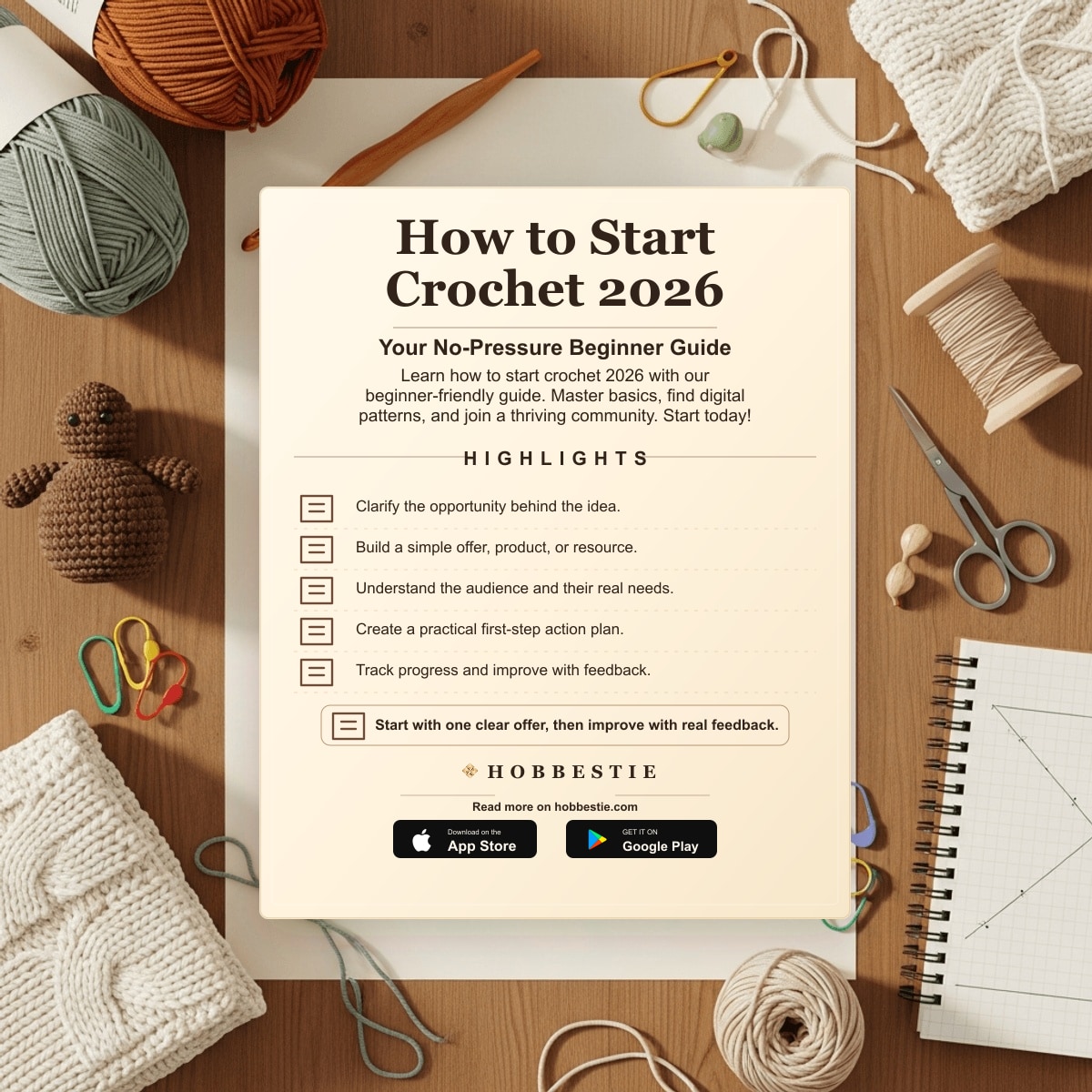
How to Start Crochet 2026: Your No-Pressure Beginner Guide
If you're wondering how to start crochet 2026 as your new creative outlet, you've picked the perfect time. Crochet has exploded in popularity as the ultimate anti-resolution hobby—no pressure, no expensive equipment, and results you can literally wrap yourself in by tonight. Whether you're seeking a digital detox, a cozy winter activity, or a potential side hustle, this guide will walk you through everything you need to begin your crochet journey.
Unlike intimidating New Year commitments, crochet for beginners offers instant gratification without the guilt. You'll create your first wearable project in just a few hours, not weeks or months. Plus, with starter costs between $20-50, it's one of the most budget-friendly hobbies you can pick up this January.
Why Crochet Is the Perfect 2026 Starter Hobby
The Mental Health Benefits Nobody Talks About
Crochet isn't just about making scarves—it's a powerful mindfulness practice disguised as a craft. The repetitive motion of pulling yarn through loops creates a meditative state that quiets anxious thoughts and pulls you into the present moment. Studies show that crafting hobbies reduce cortisol levels by 34% and significantly improve focus, making crochet an effective tool for managing stress and anxiety.
The rhythmic nature of stitching provides the same benefits as meditation, but with a tangible result at the end. You're not just sitting with your thoughts—you're creating something beautiful while your mind processes and releases tension. Many crocheters report entering a "flow state" where hours pass unnoticed, providing genuine respite from screen time and digital overwhelm.
Low Barrier to Entry: Time and Budget Reality Check
Let's talk numbers. Your complete beginner crochet kit will cost $20-50, including a few hooks, yarn, and basic accessories like stitch markers. Compare that to photography equipment ($500+), home gym setups ($300+), or even painting supplies ($100+), and crochet wins the affordability contest hands down.
Time investment is equally accessible. Your first wearable project—a simple infinity scarf or beanie—takes just 2-4 hours to complete. That's one cozy evening, and you've got something to show for it. Unlike knitting, which requires two needles and more complex hand coordination, crochet uses a single hook and is significantly easier to learn.
You can practice while watching TV, listening to podcasts, or chatting with friends. There's no need to clear your schedule or dedicate entire weekends to learning. Fifteen minutes daily builds muscle memory faster than sporadic marathon sessions, making it perfect for busy schedules.
From Hobby to Side Hustle: The 3-Month Pathway
Here's something most beginner guides won't tell you: crochet has a clear monetization pathway. The handmade goods market is growing 12% annually, driven by consumers seeking sustainable fashion alternatives and unique artisan products. Beginners who practice consistently can start selling simple items on Etsy within three months, earning $200-500 monthly in supplemental income.
You don't need to become an expert to start earning. Simple items like scrunchies, dishcloths, coasters, and baby blankets sell consistently well and require only basic stitches. The cottage-core aesthetic trend has created massive demand for handmade items, and buyers actively seek out beginner-friendly designs that feel authentic and homespun.
Beyond physical products, you can create and sell digital crochet patterns as passive income once you've designed a few original pieces. This transforms your hobby into a sustainable creative business without the pressure of constant production.
Essential Crochet Basics: What You Actually Need to Know
Understanding Hook Sizes and Yarn Weights
Crochet hooks range from tiny 2mm sizes for delicate thread work to chunky 12mm hooks for bulky blankets. As a beginner, start with a 5mm to 6mm hook—this mid-range size works with most yarn types and is easiest to handle while you're building coordination.
Yarn comes in numbered weights from 0 (lace) to 7 (jumbo). Worsted weight yarn (size 4) is your best friend as a beginner. It's thick enough to see your stitches clearly, forgiving of tension inconsistencies, and works up quickly so you see progress fast. Most beginner patterns specify worsted weight, giving you thousands of project options.
Don't get overwhelmed by the rainbow of yarn options at craft stores. Start with basic acrylic yarn in light colors—cream, light gray, or pale yellow—so you can easily see each stitch as you work. You can explore fancy fibers and bold colors once you've mastered the basics.
The Only 5 Stitches Beginners Need to Master
Here's the beautiful secret about crochet: five foundational stitches unlock 80% of beginner patterns. Master the chain stitch, slip stitch, single crochet, half double crochet, and double crochet, and you can create everything from blankets to beanies to market bags.
The chain stitch is your foundation—literally. It's how you start every project and create the base row. Slip stitches join rounds and add decorative touches. Single crochet creates tight, dense fabric perfect for amigurumi and structured items.
Half double crochet and double crochet work up faster and create more drape, ideal for scarves, shawls, and blankets. These five stitches combine in endless variations to create different textures and patterns. Once your hands memorize these movements, you'll crochet without thinking, watching TV or chatting while your project grows.
How to Read Your First Digital Pattern
Modern crochet patterns use abbreviations and symbols that look like secret code at first: ch (chain), sc (single crochet), dc (double crochet), and so on. Don't panic—after completing 2-3 projects, typically within your first two weeks, pattern reading becomes completely intuitive.
Today's digital patterns are far more beginner-friendly than vintage instructions. Most include photo tutorials for each step, video links for tricky techniques, and detailed stitch counts so you know exactly where you should be. Browse beginner crochet patterns in our digital marketplace to find patterns specifically designed for first-timers.
Start with patterns labeled "easy" or "beginner" that use only basic stitches in simple repetition. As you gain confidence, you'll naturally understand more complex instructions and even start modifying patterns to suit your preferences.
Your First Project: Quick Wins for Immediate Satisfaction
Best Beginner Projects That Don't Look Beginner
Your first project should feel like a win, not a wobbly dishcloth you hide in a drawer. Chunky blankets, infinity scarves, and simple beanies provide impressive results using only basic stitches. These projects look intentional and stylish, not obviously "first-timer."
Infinity scarves are particularly perfect because they're essentially long rectangles joined into a loop. You practice consistent tension and stitch repetition while creating something you'll actually wear. Choose a soft, chunky yarn in a trendy color, and people will assume you bought it at a boutique.
Dishcloths and coasters work as low-pressure practice pieces where imperfections don't matter. They're small enough to finish quickly, giving you multiple completion wins, and they're actually useful around your home. Plus, handmade dishcloths make thoughtful gifts that showcase your new skill.
The 2-Hour Scarf That Builds Confidence
Let's get specific: a simple infinity scarf using chunky yarn and a 6mm hook takes about two hours from start to finish. You'll use only chain stitches and double crochet stitches—literally two of the five basic stitches. Chain your foundation row, then work rows of double crochet back and forth until you reach your desired length.
The repetitive nature builds muscle memory fast. By row five, your hands will know what to do without conscious thought. By row ten, you'll find the rhythm meditative and relaxing. When you seam the ends together and try on your finished scarf, the sense of accomplishment is genuinely powerful.
This single project teaches you foundation chains, turning chains, consistent tension, counting stitches, and basic finishing techniques. Those skills transfer to hundreds of other beginner patterns, making this two-hour investment incredibly valuable.
Avoiding Common First-Timer Mistakes
Every beginner makes the same three mistakes: holding the hook too tightly (causing hand cramping), creating inconsistent tension (producing wavy edges), and losing track of stitch counts. The good news? All three have simple solutions.
For grip tension, practice holding your hook like a pencil or a knife—whichever feels more natural—with a relaxed hand. Set a timer for 10 minutes daily to practice basic stitches while consciously keeping your hand loose. Your hand will strengthen and relax with repetition.
Inconsistent tension improves with practice, but using stitch markers every 10 stitches helps you catch problems early. If your row suddenly has 12 stitches instead of 10, you know exactly where the extra stitches appeared. Explore online crochet courses and tutorials that demonstrate proper hand positioning and tension control through video demonstrations.
Building Your Crochet Practice: Consistency Without Burnout
The 15-Minute Daily Practice Method
Here's the counterintuitive truth: 15 minutes daily builds skills faster than two-hour weekend sessions. Daily practice develops muscle memory, strengthens hand coordination, and improves tension control more effectively than sporadic long sessions that leave your hands sore and your brain overwhelmed.
Think of it like learning an instrument. Short, consistent practice sessions compound over time, making techniques feel natural rather than forced. You can fit 15 minutes into any schedule—before work, during lunch, or while dinner cooks.
This approach also prevents burnout. You're not sacrificing entire evenings or weekends, so crochet remains enjoyable rather than becoming another obligation. Some days you'll get hooked (pun intended) and work for an hour. Other days, 15 minutes is perfect. Both contribute to your growth.
Joining Online Communities for Accountability and Inspiration
Crochet communities provide pattern sharing, troubleshooting help, and motivation during those frustrating moments when nothing looks right. Online forums connect you with experienced crocheters who remember exactly what it felt like to chain their first stitch and can offer targeted advice for specific problems.
Join our supportive crafting community to access virtual crochet circles, stitch-alongs, and real-time advice from fellow makers. These communities organize themed challenges, share free patterns, and celebrate everyone's progress regardless of skill level. Geographic limitations disappear when your crochet circle meets online.
The accountability factor shouldn't be underestimated. Sharing your works-in-progress, even imperfect ones, creates gentle pressure to keep practicing. Seeing others' projects sparks inspiration and introduces you to techniques and patterns you might not discover alone.
Tracking Progress Without Perfectionism
Take photos of every project, even the wonky first attempts. Progress tracking through visual records shows tangible improvement that motivates you to continue. Your first dishcloth might have wavy edges and inconsistent stitches, but three weeks later, you'll create one with perfect tension and crisp edges.
Focus on completion over perfection. A finished imperfect scarf teaches more than an abandoned perfect attempt. Each completed project builds skills, confidence, and understanding that carries forward to the next piece.
Celebrate those wonky first attempts as learning tools, not failures. Every expert crocheter has a drawer of early projects with mistakes. Those imperfections prove you're learning, growing, and developing a valuable skill. Embrace the process rather than demanding immediate mastery.
Leveling Up: From Beginner to Confident Crocheter
When to Tackle More Complex Patterns
After completing 5-7 beginner projects—typically after 4-6 weeks of regular practice—you're ready for intermediate patterns. Indicators of readiness include consistent tension across your work, comfortable reading of pattern abbreviations, and understanding gauge (how many stitches per inch your work produces).
Intermediate patterns introduce new stitch combinations, shaping techniques, and more complex construction methods. You might try your first sweater, a textured blanket with multiple stitch patterns, or amigurumi animals with detailed assembly.
Don't rush this transition. Solid fundamentals make intermediate techniques much easier to learn. If a pattern feels overwhelming, return to beginner projects until the basics feel completely automatic.
Developing Your Personal Crochet Style
As you complete more projects, you'll notice preferences emerging. Maybe you love the meditative repetition of blankets, or perhaps you're drawn to the sculptural creativity of amigurumi stuffed animals. Some crocheters specialize in garments, others in home decor, and many explore multiple categories.
Your personal style develops through color choices, project types, and modification confidence. You'll start adjusting patterns to fit your preferences—changing colors, altering sizes, or combining elements from different patterns. This creative confidence marks your evolution from beginner to maker.
Explore different yarn fibers beyond basic acrylic. Wool offers warmth and elasticity, cotton provides structure and breathability, and bamboo creates silky drape. Each fiber behaves differently and suits different project types, expanding your creative possibilities.
Turning Your Hobby Into Income (If You Want To)
Monetization is completely optional, but the pathway is accessible if you're interested. Start by creating 10-15 finished items in a cohesive style—similar color palettes, consistent item types, or a signature technique. This portfolio establishes your brand before opening an Etsy shop.
Price sustainably using this formula: materials cost multiplied by three, plus $10-15 per hour of work. This ensures you're not undervaluing your time while remaining competitive. Simple items like scrunchies, coasters, and baby items sell consistently and don't require advanced skills.
Use social media for free marketing. Instagram and TikTok are particularly effective for showcasing handmade goods. Share your process, finished items, and behind-the-scenes glimpses of your creative practice. Authentic content builds trust with potential customers.
Consider creating digital products like crochet patterns once you've designed original pieces. Patterns sell repeatedly without additional production time, creating passive income streams. Many successful crochet businesses combine physical products with digital patterns for diversified revenue.
Ready to Start Your Crochet Journey?
You now have everything you need to understand how to start crochet 2026 with confidence and realistic expectations. This isn't about perfection or pressure—it's about picking up a hook, choosing some cozy yarn, and creating something with your own hands.
Join the Hobbestie community to access hundreds of beginner-friendly digital crochet patterns, video tutorials, and connect with fellow crafters who understand the learning journey. Download your first free pattern and discover why thousands are choosing crochet as their go-to 2026 hobby.
No pressure, no perfection required—just you, your hook, and endless creative possibilities. Your first stitch awaits, and trust us, it's the beginning of something wonderfully cozy and creative. Whether you're seeking easy crochet projects January can offer, a learn to crochet winter activity, or exploring cozy crochet patterns for the cold months ahead, you're in exactly the right place to begin.