How to Start Crocheting for Beginners: First Project Guide
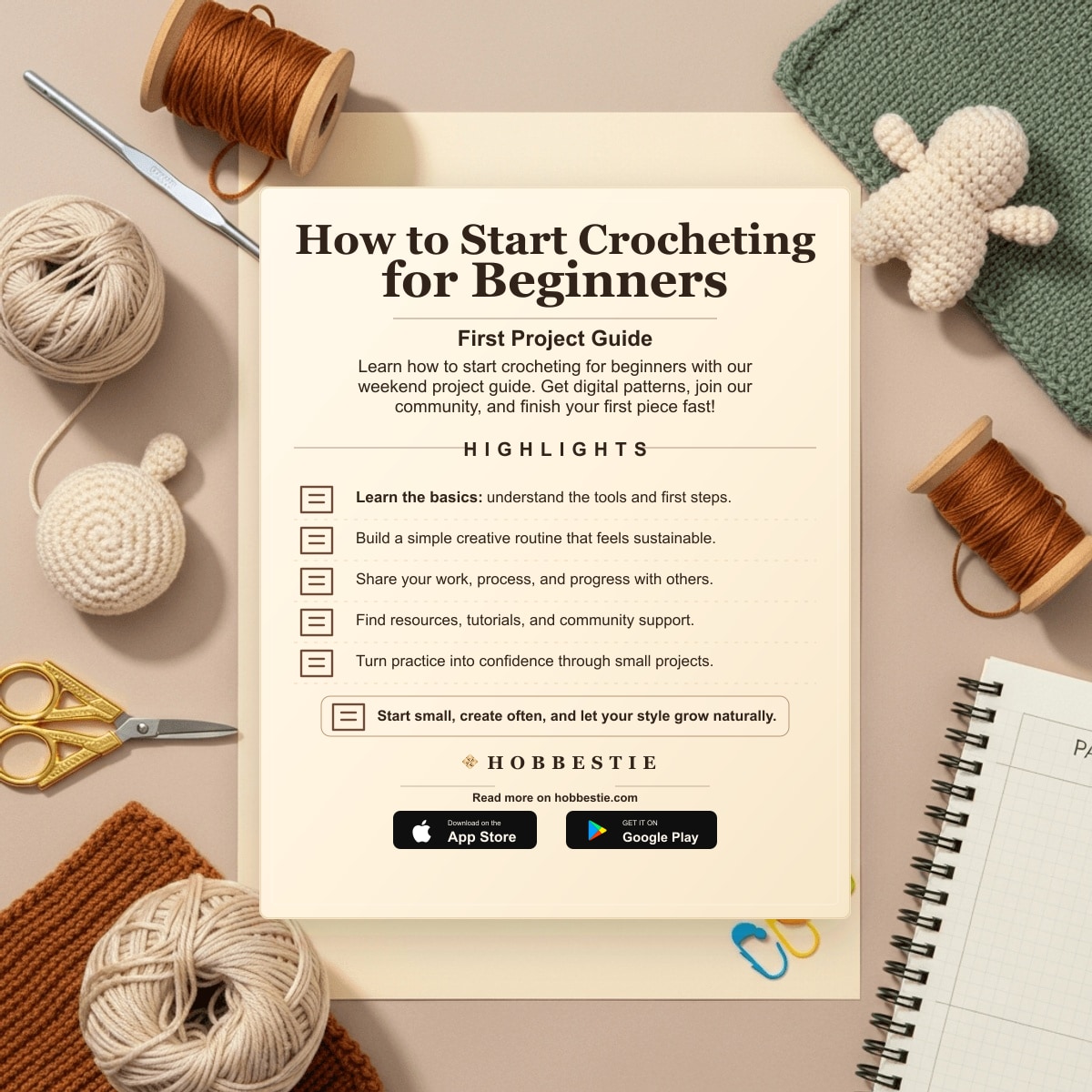
How to Start Crocheting for Beginners: First Project Guide
Wondering how to start crocheting for beginners and actually finish something this weekend? You're not alone—thousands of crafters are discovering that crochet is the perfect low-cost, high-reward hobby that fits into busy modern life. Whether you've been scrolling TikTok watching mesmerizing granny square transformations or you're seeking a mindful escape from screen time, crochet offers immediate creative satisfaction without the intimidation factor of other fiber crafts. This guide will walk you through everything you need to complete your first beginner crochet projects 2026 in just days, not months.
The best part? You don't need expensive equipment or years of practice to create something you'll actually want to wear or display. With the right approach and modern resources, you can master basic stitches and finish a trendy piece before next weekend arrives.
Why Crochet Is the Perfect Beginner-Friendly Hobby Right Now
The Mental Health Benefits That Keep Crafters Hooked
Crochet creates a meditative state through repetitive motions that naturally reduce anxiety and lower cortisol levels. Research shows that the rhythmic nature of stitching activates the same relaxation response as meditation, making it perfect for Gen Z and Millennials managing stress in an always-connected world. Unlike passive scrolling, crochet engages your hands and mind in productive flow states that leave you energized rather than drained.
Many crafters report that just 20 minutes of stitching significantly improves their mood and helps them disconnect from work anxiety. The tangible progress you see with each row provides immediate dopamine hits that keep you motivated. Plus, you're creating something beautiful instead of just consuming content—a powerful shift that builds genuine self-confidence.
Low Barrier to Entry: Start Creating for Under $30
Unlike pottery, woodworking, or other crafts requiring expensive equipment, crochet supplies for beginners cost remarkably little to start. You only need a hook (around $5-8), yarn (starting at $4-6 per skein), and scissors you already own. This makes crochet incredibly accessible for budget-conscious hobbyists who want creative outlets without financial stress.
Your initial crochet starter kit investment of $20-30 can yield multiple finished projects as you learn. There's no need for dedicated studio space, special furniture, or ongoing subscription costs. You can crochet on your couch, in coffee shops, during commutes, or while watching shows—the portability adds even more value to your minimal investment.
The Thriving Online Crochet Community Waiting to Welcome You
TikTok has completely revitalized crochet culture with viral trends like granny square cardigans, bucket hats, and cottagecore aesthetics attracting younger crafters by the thousands. What was once considered a grandmother's hobby has transformed into a vibrant, inclusive community sharing modern patterns and styling inspiration. Hashtags like #CrochetTok have billions of views, proving this craft's massive appeal to digital-native generations.
Online communities offer stitch-alongs, pattern sharing, and troubleshooting support that eliminate the isolation of learning solo. When you join our online crochet community, you'll find experienced makers eager to answer questions, celebrate your progress, and share their favorite techniques. There's genuine potential to monetize your skills quickly through custom commissions, pattern sales, and finished item marketplaces once you master the basics—some crafters start selling within their first few months.
Essential Crochet Knowledge: What Beginners Actually Need to Know
Decoding Crochet Terminology (It's Easier Than It Looks)
Crochet patterns use standardized abbreviations that seem cryptic at first but become second nature quickly. The most common are ch (chain), sc (single crochet), dc (double crochet), and sl st (slip stitch)—these five stitches form the foundation of most beginner projects. Once you recognize these abbreviations, patterns transform from confusing code into simple step-by-step instructions.
One important distinction: US and UK crochet terms differ significantly, which can confuse beginners following international patterns. What Americans call a "single crochet," British patterns call a "double crochet"—the actual stitches are identical, just named differently. Always check which terminology system your pattern uses, and when in doubt, look for video demonstrations to confirm you're making the right stitch.
The Only 5 Stitches You Need to Start Your First Project
You don't need to master dozens of techniques before starting. The chain stitch creates your foundation, while single crochet and double crochet build the fabric of most projects. Add the slip stitch for joining rounds and the half double crochet for texture variation, and you can complete hundreds of different patterns.
Understanding gauge and tension matters for project sizing, though it's less critical for beginner items like washcloths or scrunchies. Gauge refers to how many stitches fit into a measured space—your natural tension determines this. Beginners often crochet tightly at first, then loosen up with practice, which is completely normal and improves naturally as muscle memory develops.
How to Read Digital Crochet Patterns Like a Pro
Modern easy crochet patterns for beginners include photo tutorials, video links, and step-by-step breakdowns that make learning intuitive. Unlike vintage patterns that assumed prior knowledge, today's digital patterns cater specifically to first-time makers with detailed explanations of every step. This is why starting with well-designed beginner patterns sets you up for success versus struggling through unclear free resources.
Pattern structure follows a consistent format: materials list, abbreviation key, stitch counts, and row-by-row instructions. The materials section tells you exactly what to buy, while the abbreviation key decodes any special stitches used. Stitch counts in parentheses help you verify you're on track—if row 5 should have 24 stitches and you count 26, you know to troubleshoot before continuing. When you browse beginner crochet patterns in our digital marketplace, you'll find patterns designed with these helpful features built in.
Your First Weekend Project: 3 Trendy Options for Quick Wins
Project 1: The Viral Granny Square (Your Gateway to Blankets and Cardigans)
Granny squares are having a major TikTok moment and teach essential skills like color changing, working in rounds, and joining pieces—all while being incredibly forgiving of beginner mistakes. Each square takes just 20-30 minutes to complete, giving you immediate satisfaction and tangible progress. The beauty of granny squares is that one finished square feels like an accomplishment, and you can stop there or combine dozens into blankets, cardigans, or bags later.
Why granny squares make perfect first projects: they're geometrically forgiving, so slight tension inconsistencies don't ruin the final look. The repetitive pattern helps you build muscle memory quickly, and the open, lacy structure means you use less yarn per square. Plus, you can practice color combinations and yarn weights without committing to a large project.
Project 2: Simple Scrunchies or Headbands (Wearable in Hours)
Scrunchies and headbands require minimal time investment—typically 2-4 hours from start to finish—and teach working in rounds while creating trendy accessories you'll actually wear. These projects are perfect for practicing consistent tension without the pressure of creating something large. You can experiment with different yarn textures, from soft cotton to sparkly novelty yarns, to create accessories that match your personal style.
The circular construction of scrunchies introduces you to working in the round, a fundamental technique used in hats, amigurumi, and garment sleeves. Since scrunchies are small and quick, they're ideal for gift-giving or testing new color combinations. Many beginners make several in one sitting once they understand the pattern, building confidence through repetition.
Project 3: Beginner-Friendly Washcloths (Practice Tension While Making Something Useful)
Washcloths and dishcloths teach consistent tension through repetitive rows while providing practical items you'll use daily. The simple rectangle shape removes any shaping complexity, letting you focus purely on stitch formation and maintaining even fabric. Cotton yarn works beautifully for washcloths and is affordable, making these projects budget-friendly practice pieces.
These items are surprisingly popular sellers at craft markets and online shops, so you're also creating potential inventory. The repetitive nature might seem boring compared to trendy wearables, but this simplicity lets you develop the foundational skills that make advanced projects easier. Choose your first project based on your goals: wearables for fashion lovers, home goods for cozy aesthetics, or accessories for gift-giving.
Learning Resources That Actually Work for Modern Beginners
Best Digital Patterns and Online Courses for Your Learning Style
Digital crochet courses offer structured learning paths from absolute beginner to intermediate skills with lifetime access to video lessons you can revisit anytime. Unlike in-person classes with fixed schedules, online courses let you learn at 2am or during lunch breaks—whenever your schedule allows. Look for courses that include practice exercises, troubleshooting guides, and community access for questions.
Downloadable PDF patterns with clear photography and stitch diagrams work perfectly for visual learners who need to reference instructions repeatedly. The key is finding patterns labeled "beginner-friendly" with detailed instructions versus advanced patterns that assume prior knowledge. Beginner patterns include stitch counts for every row, photo references showing what your work should look like at each stage, and common mistake warnings.
How to Use Video Tutorials Alongside Written Patterns
Using YouTube or TikTok video tutorials to see hand positioning and stitch formation in real-time transforms your understanding of written patterns. When instructions say "yarn over and pull through two loops," watching someone's hands perform that motion clarifies what words alone cannot. Many modern patterns include QR codes or links to companion videos that demonstrate tricky sections.
The best approach combines both resources: follow your written pattern for structure while referencing videos when you're confused about specific stitches. Slow down video playback to 0.5x or 0.75x speed when learning new techniques—this lets you see exactly where the hook goes and how yarn wraps around it. When you explore our crochet courses and tutorials, you'll find resources designed to work together seamlessly.
Joining Virtual Stitch-Alongs and Online Crochet Communities
Virtual stitch-alongs create accountability and community support by having everyone make the same item together online with scheduled milestones. These events typically span 2-4 weeks, with participants sharing progress photos, asking questions, and encouraging each other through challenging sections. The group energy makes solo crafting feel social and keeps you motivated when you might otherwise abandon a project.
Online forums and community spaces provide troubleshooting help from experienced crocheters who remember being beginners themselves. Posting a photo of your work-in-progress with a specific question usually gets helpful responses within hours. Building your digital pattern library with collections organized by skill level, project type, and time investment helps you always have your next project ready when inspiration strikes.
Beyond Your First Project: Growing Your Crochet Skills and Community
Progressing from Beginner to Intermediate Projects Strategically
Natural skill progression follows a logical path: master rectangles, then circles, then shaping and garment construction as you build confidence. Don't rush into complex patterns before you're ready—each skill level prepares you for the next. After completing several flat projects like washcloths, try a simple circular project like a coaster or small basket to understand working in rounds.
TikTok-viral intermediate projects to work toward include bucket hats, market tote bags, crop tops, and oversized cardigans that showcase your growing skills. These trendy items motivate continued learning because you genuinely want to wear or use them. Set milestone goals like "finish three beginner projects, then try one intermediate pattern" to structure your progression without overwhelming yourself.
Turning Your New Hobby Into Income (If You Want To)
Some crocheters monetize within months by selling finished items, offering custom commissions, or creating and selling their own digital patterns. Platforms like Etsy, Instagram shops, and local craft markets provide ready-made audiences for handmade goods. Start by making items you love—your genuine enthusiasm shows in your work and attracts like-minded customers.
Building a portfolio of work to share on social media attracts potential customers interested in handmade pieces with personal stories. You don't need hundreds of followers to make sales; you need engaged followers who appreciate your aesthetic and craftsmanship. Many successful crochet businesses started with friends and family as first customers, then grew through word-of-mouth and social sharing.
Connecting with Fellow Crafters for Inspiration and Support
The importance of community in sustaining your hobby long-term cannot be overstated—finding your people who understand yarn obsession and project excitement makes crafting more joyful. Participate in online challenges, pattern testing opportunities, and collaborative projects that push your skills forward while connecting you with makers at similar skill levels.
Accessing advanced digital courses and specialized technique tutorials as you identify areas you want to master keeps your learning journey exciting. Maybe you fall in love with colorwork, or perhaps amigurumi creatures capture your imagination—following your curiosity leads to deeper engagement. Sharing your beginner journey authentically online builds connections with others just starting their crochet adventure, creating a supportive network that celebrates every milestone together.
Start Your Crochet Journey Today
Ready to transform from curious scroller to confident crocheter this weekend? The path from your first chain stitch to a finished project is shorter than you think when you have the right resources and community support. Remember, every expert crocheter started exactly where you are now—holding a hook for the first time, wondering if they could really do this.
The answer is absolutely yes. With beginner-friendly patterns designed for quick wins, video tutorials that show you exactly what to do, and a welcoming community ready to cheer you on, you have everything you need to succeed. Learn to crochet January and by February, you'll have multiple finished projects and skills that last a lifetime.
Browse our curated collection of beginner-friendly digital crochet patterns designed specifically for fast wins and modern aesthetics. Download step-by-step video courses, join our supportive online community for virtual stitch-alongs, and access the printable guides that will take you from your first chain stitch to finished project in days, not months. Your cozy, creative, stress-melting hobby awaits—and your first pattern is just a click away. Explore the Hobbestie marketplace now and start creating something beautiful today.