How to Start Journaling in 2026: Complete Beginner's Guide
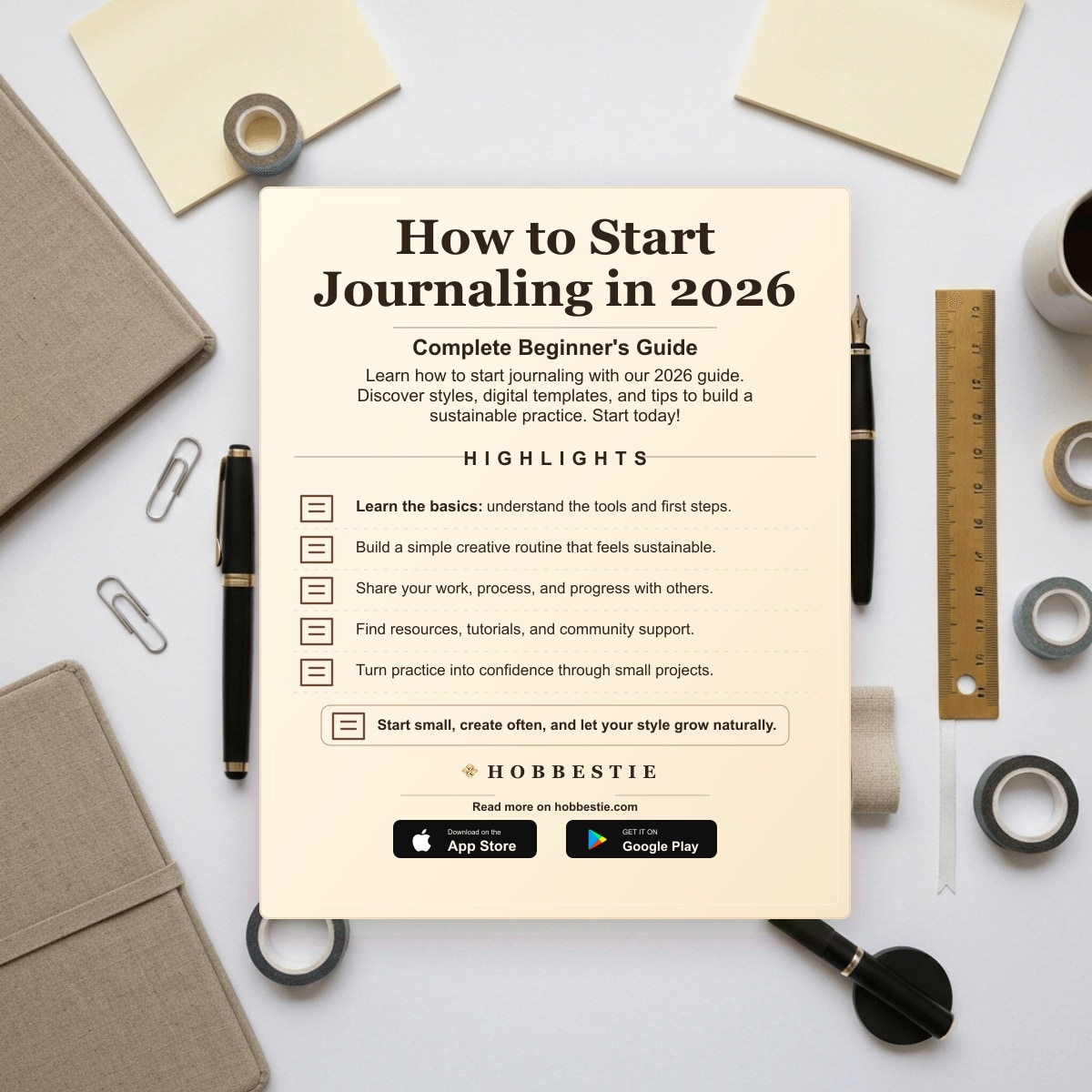
How to Start Journaling in 2026: Complete Beginner's Guide
If you've been wondering how to start journaling but feel overwhelmed by blank pages and Instagram-perfect spreads, you're not alone. Journaling in 2026 looks different than it did even two years ago—it's become a gateway practice that connects mindfulness seekers, productivity enthusiasts, creative souls, and even aspiring digital entrepreneurs. Whether you're looking for a digital detox journaling practice or a structured system to organize your life, there's a journaling style waiting for you. The best part? You can start today with just five minutes and a willingness to experiment.
Why Journaling Works in 2026: The Science and Benefits
Mental Health Benefits Backed by Research
The science behind journaling for beginners is compelling and continues to grow stronger. Recent studies show that consistent journaling reduces stress levels by 28% and significantly improves working memory—benefits that resonate particularly with millennials and Gen Z dealing with burnout culture. Writing by hand activates different neural pathways than typing, helping you process emotions more deeply and retain information better. For those exploring alternatives to traditional therapy, journaling provides a low-cost tool for tracking mental health patterns and identifying emotional triggers over time.
Journaling as Digital Detox Practice
Analog journaling creates intentional screen-free time that combats the digital fatigue so many of us experience daily. When you practice journaling before bed instead of scrolling social media, you're likely to see improvements in sleep quality within just a week or two. The tactile experience of pen on paper signals to your brain that you're entering a different mode—one of reflection rather than consumption. This mindfulness journaling approach helps you reclaim control over your attention in a world designed to fragment it.
The Unexpected Community and Monetization Opportunities
The journaling community has exploded across platforms, creating vibrant spaces where practitioners share techniques, inspiration, and support. What's particularly exciting is how inclusive the practice has become—male participation in stoic journaling methods has increased 43% since 2024, breaking down outdated stereotypes about who journals. Beyond personal benefits, many journalers discover opportunities to share their knowledge through digital templates, prompt collections, and workshops. The journaling marketplace is growing 67% year-over-year, with particular demand for mental health-focused and aesthetically pleasing resources.
Finding Your Journaling Style: 5 Methods to Try
Gratitude and Reflection Journaling for Mental Wellness
Gratitude journaling is the perfect entry point if you're short on time but want mental health benefits. This style takes just five minutes daily and focuses on noting positive moments, things you're thankful for, or small wins that might otherwise go unnoticed. You might write three things you're grateful for each morning or reflect on one meaningful interaction from your day. The simplicity makes it sustainable, and the cumulative effect on your mindset can be profound—many practitioners report feeling noticeably more optimistic within two weeks.
Bullet Journaling for Productivity Optimizers
If you love systems and visual organization, bullet journaling might be your perfect match. This method combines planning, habit tracking, and creativity using rapid logging systems developed by Ryder Carroll. You can start with pre-made digital bullet journal templates that provide the structure while you learn the basics, then customize as you discover what works for you. The beauty of bullet journaling lies in its flexibility—it's simultaneously a planner, diary, to-do list, and creative outlet all in one notebook.
Stream-of-Consciousness and Creative Expression
Stream-of-consciousness writing, often called morning pages, requires no structure or rules whatsoever. You simply write continuously for a set time (usually 10-20 minutes) without editing, censoring, or even trying to make sense. This practice clears mental clutter like nothing else, helping you access deeper thoughts and creative ideas buried under daily noise. Art journaling takes a similar approach but blends visual creativity with words—perfect if you think in images, colors, and shapes rather than purely in sentences.
Stoic Journaling and Philosophical Practices
Stoic journaling uses prompts based on ancient philosophy, focusing on what's within your control, practicing gratitude for challenges, and reflecting on your values. This structured approach has grown increasingly popular among men seeking self-improvement frameworks without the fluff. Questions like "What would Marcus Aurelius do in this situation?" or "What virtue do I want to practice today?" provide concrete direction. Most successful journalers experiment with two or three styles before finding their fit, and mixing methods is completely valid—your practice should serve you, not the other way around.
How to Start Journaling: Your First 30 Days
Setting Up Your Practice (Digital or Analog)
First, choose your medium without overthinking it. A physical notebook offers the tactile digital detox experience and doesn't require charging or updates. Digital apps provide searchability, portability, and the ability to add photos or voice notes. Both are valid journaling methods—pick whichever you'll actually use. If you choose analog, grab any notebook that appeals to you; fancy doesn't mean better. If you go digital, apps like Day One, Notion, or even Google Docs work perfectly fine for beginners.
Overcoming Blank Page Paralysis
That intimidating blank page stops more journaling practices before they start than any other obstacle. The solution? January journaling prompts and downloadable templates that eliminate decision fatigue. Start with just five minutes daily at a consistent time—morning coffee or evening wind-down work best for habit formation because they anchor to existing routines. During weeks one and two, use guided prompts exclusively. You can explore digital journal templates and prompt collections that provide structure while you build confidence. By weeks three and four, mix prompted entries with free writing as you discover what feels natural.
Building the Habit: Consistency Over Perfection
Track your practice with a simple habit tracker to visualize consistency without creating pressure. Here's your permission to skip days: sustainable journaling allows flexibility, so aim for four to five days weekly rather than perfectionistic daily streaks. Life happens, and missing a day doesn't erase your progress. Consider joining online communities where you can share your journey and stay accountable during the crucial first month. When you join our journaling community, you'll find others at every stage, from complete beginners to experienced practitioners who remember exactly how intimidating starting felt.
Essential Journaling Techniques and Prompts
Starter Prompts for Different Goals
The right journaling ideas 2026 depend entirely on what you're hoping to gain from your practice. For mental wellness, try prompts like "What drained my energy today versus what energized me?" or "What would I tell my best friend in this situation?" These questions help you process emotions and practice self-compassion. Productivity-focused journalers benefit from "My top three priorities today are..." and "What's one thing I'm procrastinating and why?" Creative souls might enjoy "Describe your day as a movie scene" or "Write a letter to your future or past self."
Advanced Techniques: Tracking Patterns and Progress
Once you've established a basic practice, start reviewing your entries monthly to notice recurring themes. You might discover that you feel anxious every Sunday evening or that certain activities consistently boost your mood. These patterns reveal insights about your mental state that you'd never notice day-to-day. Create themed weeks using downloadable themed prompt packs—gratitude week, goal-setting week, creative week—to explore different aspects of your life systematically. This variation keeps your practice fresh while deepening your self-understanding.
Creating Your Personal Prompt Library
As you journal, save questions and prompts that particularly resonate with you. Build a personal prompt database in the back of your notebook or in a digital note—this becomes your customized resource for days when you need direction. You can access hundreds of categorized prompts organized by mood, goal, or available time through digital prompt collections. The beauty of creating your own library is that it evolves with you, reflecting your changing interests and needs over time.
Turning Your Practice Into Community and Income
Joining and Contributing to Journaling Communities
Connect with niche communities based on your preferred style—whether that's bullet journal aesthetics on Instagram, stoic philosophy discussion groups, mental health journaling circles, or creative writing communities. Share your spreads, techniques, and insights in online forums to inspire others while gaining valuable feedback. You'll discover that teaching others reinforces your own practice and often sparks new ideas you wouldn't have discovered alone. The journaling community is remarkably supportive and genuinely excited to welcome newcomers.
Monetizing Your Journaling Knowledge
Once you've developed your practice for three to six months, you might consider creating digital products like custom journal templates, themed prompt collections, or tracker PDFs. Start by offering free resources to build credibility and gather feedback about what your audience actually needs. Many successful template creators began exactly where you are now—as beginners who documented their learning process. You can browse online courses for creating and selling digital products to learn design basics and marketplace strategies from those who've built successful journaling businesses.
Sharing Your Journey Authentically
Teach what you've learned through online workshops and webinars—beginner journalers especially value learning from recent beginners who remember the struggles and can explain concepts without jargon. The key is authenticity; share both your successes and the days when journaling felt like a chore. Your honest journey resonates more than perfection ever could. Access community memberships focused on digital product creators to learn from successful journal template sellers and course creators who are building sustainable income from their passion for journaling.
Ready to Start Your Journaling Journey Today?
Don't let blank page anxiety hold you back from discovering what journaling can do for your mental clarity, creativity, and personal growth. Browse our curated collection of digital journal templates, downloadable prompt libraries, and beginner-friendly online courses in the Hobbestie marketplace. Whether you're drawn to minimalist bullet journal templates, guided mental wellness prompts, or creative art journaling guides, you'll find digital resources designed specifically for beginners like you.
Join our thriving community of journalers where you can share your progress, ask questions without judgment, and discover how this simple practice transforms lives daily. Download your first template free and write your first entry tonight—five minutes is all you need to begin. Your future self will thank you for starting today.