"Indoor Bouldering for Beginners: Your 2026 Fitness Reset"
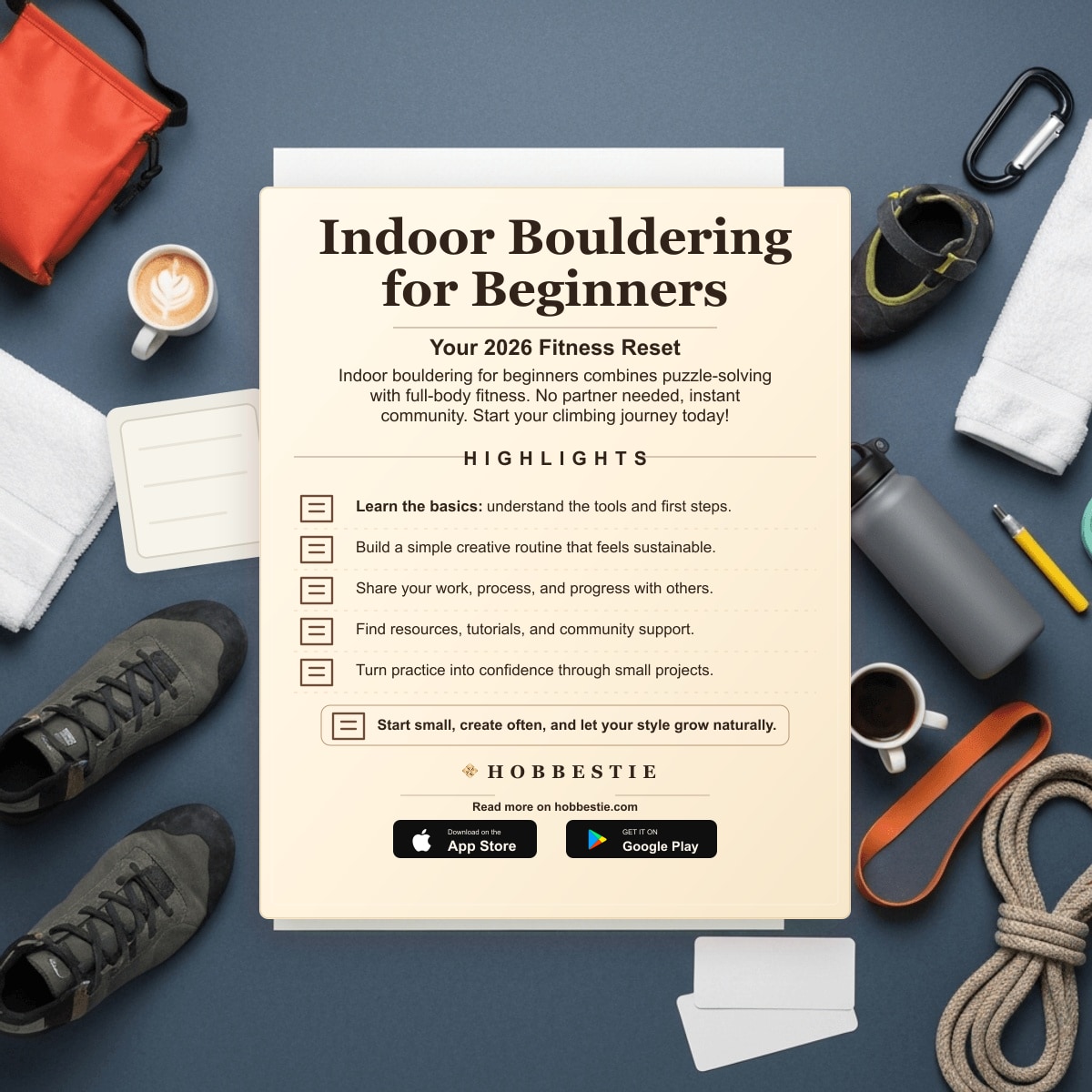
Why Indoor Bouldering Is Taking Over Traditional Gyms in 2026
If you're tired of mindless treadmill sessions and counting reps that blur together, indoor bouldering for beginners might be the fitness reset you've been searching for in 2026. Unlike traditional gym workouts that feel like chores, bouldering transforms exercise into an engaging puzzle where your body is the solution. Each climb presents a unique physical and mental challenge that keeps you coming back, not out of obligation, but genuine excitement.
The Problem-Solving Workout Your Brain Actually Craves
Every bouldering problem (yes, that's what climbers call individual routes) requires you to strategize your approach before you even touch the wall. You'll find yourself analyzing holds, planning sequences, and adjusting your technique in real-time—it's chess meets CrossFit. The color-coded grading system ranging from V0 for beginners up to V17 for elite climbers creates natural gamification that makes progress tangible and addictive.
This isn't about grinding through sets until you hit an arbitrary number. Instead, you're literally leveling up your skills with each grade you conquer. That V0 route that felt impossible on day one? You'll cruise through it within weeks, and that visible progression fuels motivation in ways that adding five pounds to a barbell simply can't match.
Community Without the Commitment (Or Awkwardness)
The bouldering community operates on a fundamentally different social dynamic than traditional gyms. Strangers naturally share beta (climbing advice and route sequences) without the forced small talk of group fitness classes. You'll experience genuine celebrations when you finally stick that tricky move, with people you just met cheering as loudly as your best friends would.
Here's the beautiful part: you don't need to coordinate schedules with a workout buddy or commit to a class time. Show up solo whenever your schedule allows, and you'll organically connect with other climbers working on similar problems. The shared struggle of a challenging route creates instant camaraderie that feels authentic rather than manufactured.
With 55% of new climbers being women, the culture in modern bouldering gyms feels refreshingly inclusive compared to traditional weight rooms. The focus shifts from appearance to capability, from competition to collaboration.
Progress You Can See, Share, and Celebrate
In an age where we document everything, bouldering offers Instagram-worthy progress that's actually meaningful. Film your attempts to analyze technique improvements, post your first V3 send with pride, and watch your movement become more fluid over weeks and months. This visual documentation serves double duty—it's both motivational content and a legitimate training tool.
The monthly costs of $50-150 align with boutique fitness pricing, but you get unlimited visits and constantly refreshed routes as gyms set new problems weekly. Compare that to the monotony of the same machines and mirrors, and the value proposition becomes clear. You're not just paying for access to equipment; you're investing in an evolving challenge that adapts as you improve.
Indoor Bouldering for Beginners: What Actually Happens on Day One
Let's demolish the intimidation factor by walking through exactly what your first visit looks like. Understanding the process beforehand transforms anxiety into excitement.
Your First Visit Demystified (No, You Won't Look Stupid)
You'll arrive at the gym, sign a standard liability waiver, and watch a brief 5-minute safety video covering the basics. The staff will get you set up with rental shoes and provide a quick orientation pointing out where different difficulty levels are located. That's it—no complicated onboarding, no pressure to perform, no judgment.
Most climbers remember feeling nervous on day one, which means everyone in that gym understands exactly what you're experiencing. The beauty of bouldering vs rock climbing (the roped variety) is that you can start immediately without taking a belay class or finding a partner. You're free to explore at your own pace from minute one.
The Only Gear You Need to Start
Rental climbing shoes cost $5-8 and are the only requirement for your first sessions. These specialized shoes have sticky rubber soles that help you stand on surprisingly small holds. Yes, they feel snug—that's intentional. Wear comfortable athletic clothes that allow full range of motion; think yoga pants or athletic shorts rather than restrictive jeans.
Chalk bags are available but completely optional for beginners. Most gyms provide communal chalk buckets to keep your hands dry and improve grip. Don't overthink the gear situation—you can start your indoor climbing workout with less equipment than most fitness activities require.
Understanding the Color Code: How Climbing Grades Work
Routes (called problems in bouldering) are marked by colored tape or matching colored holds. Each color represents a specific difficulty grade, creating clear visual pathways up the wall. Start with VB (beginner) or V0 grades—these routes are specifically designed for absolute first-timers and focus on basic movement patterns rather than strength.
The padded floors (crash pads) throughout the gym make falling safe and expected. In fact, falling is a fundamental part of learning, and you'll see advanced climbers falling constantly as they push their limits. Most gyms offer free beginner clinics during your first week—take full advantage to learn proper falling technique, basic footwork, and how to read routes effectively.
Expect your first session to last 45-90 minutes before your forearms fatigue significantly. This is completely normal and improves remarkably fast. Within three weeks, you'll notice your endurance doubling.
Removing the Intimidation Factor: What Beginners Actually Worry About
Let's address the concerns that stop people from trying bouldering in the first place. Spoiler: most of your worries are based on misconceptions.
You Don't Need Upper Body Strength (Seriously)
This is the biggest myth preventing people from starting. Beginner routes emphasize technique and leg strength over pull-up ability. Climbing is fundamentally about pushing with your legs, not pulling with your arms. Your legs contain the largest muscle groups in your body—proper technique means using them.
Interestingly, women often progress faster initially because they tend to focus on footwork and problem-solving rather than muscling through routes. If you can climb a ladder, you have sufficient strength to start bouldering. The strength you need develops naturally as you climb.
The Unwritten Rules Every Newbie Should Know
Basic bouldering gym etiquette is straightforward and intuitive. Wait your turn on popular problems, stay off the mats when you're not actively climbing or spotting someone, and offer encouragement freely. When someone completes a challenging route, a simple "nice send!" is always appreciated.
The term beta means advice or the sequence for completing a route. It's perfectly acceptable to ask for beta, and experienced climbers generally love sharing their approach. However, some climbers prefer figuring out problems independently, so read the room. A simple "would you like beta?" respects both preferences.
Here's the truth that transforms the experience: nobody is watching you critically. Climbers are either focused on their own problems or genuinely wanting to help you succeed. The supportive atmosphere feels radically different from traditional gym culture.
Building Your Climbing Confidence in Weeks, Not Months
Your progression timeline is predictable and encouraging. Week 1-2: Focus on climbing volume and exploring different movement patterns. Everything feels awkward and your forearms will burn. Week 3-4: Notice significant grip strength gains and improved efficiency. Routes that seemed impossible now feel manageable. Week 6-8: Start projecting (working on) V1-V2 routes that require multiple attempts to complete.
To accelerate your learning between gym sessions, explore our online climbing courses that break down fundamental techniques like flagging, drop-knee moves, and efficient resting positions. Join the bouldering community online to ask questions, share progress videos, and find climbing partners in your area. The combination of physical practice and educational resources compounds your improvement dramatically.
The Full-Body Benefits You're Not Expecting
The physical and mental benefits of bouldering extend far beyond what you'd expect from a typical workout routine.
Why Climbers Have That Lean, Functional Strength
Bouldering engages every major muscle group simultaneously—legs drive you upward, core maintains body tension, back and shoulders control movement, forearms grip holds, plus countless stabilizer muscles you didn't know existed. This creates functional, proportional strength rather than the isolated muscle development of traditional weightlifting.
You'll develop that distinctive climber physique: lean, defined, and capable. The strength translates directly to real-world movements like carrying groceries, moving furniture, or any activity requiring full-body coordination. Unlike bodybuilding-focused training, climbing builds strength that serves practical purposes beyond aesthetics.
The Mental Health Bonus of Problem-Solving Fitness
The intense focus required creates a meditative flow state that reduces anxiety and anchors you in the present moment. Your brain becomes too busy planning sequences and adjusting to holds to worry about work emails or social media drama. This mental break provides stress relief that pure cardio workouts can't replicate.
The problem-solving aspect delivers genuine cognitive benefits. You're constantly analyzing spatial relationships, planning efficient movement sequences, and adapting strategies in real-time. This mental engagement makes the workout fly by—you'll frequently lose track of time, which never happens on a treadmill.
Injury Prevention and Body Awareness
Bouldering develops exceptional body awareness, balance, and spatial reasoning that transfers to daily life. You'll notice improved posture, better coordination, and a more intuitive sense of how your body moves through space. The emphasis on controlled movement and technique creates lower injury rates than high-impact activities like running.
The indoor climbing workout burns 400-750 calories per session while maintaining lower impact than running. Natural rest periods between attempts prevent overtraining while keeping your heart rate elevated. To maximize these benefits and prevent common climbing injuries, browse digital climbing training resources covering mobility work, antagonist training, and flexibility protocols specifically designed for climbers.
Starting Your Indoor Bouldering Journey in 2026
Ready to transform your fitness routine? Here's your practical roadmap for how to start bouldering 2026.
Finding Your Local Climbing Community
Most cities now feature multiple bouldering gyms, each with distinct culture and offerings. Try 2-3 facilities with day passes ($15-25) before committing to a membership. Look for gyms with active beginner communities, regular route setting (new problems added weekly), welcoming staff, and convenient location relative to your home or work.
Pay attention to the atmosphere during your trial visits. Does the gym feel inclusive and encouraging? Are staff members actively helping beginners? Do you see diverse climbers of various ages and skill levels? These factors matter more than fancy amenities. When you search for a bouldering gym near me, prioritize community quality over proximity alone.
Setting Realistic First-Month Goals
Your month-one objectives should focus on consistency and fundamentals rather than grade chasing. Aim to visit 2-3 times weekly, complete all VB/V0 routes in the gym, learn proper falling technique, and make 2-3 climbing acquaintances who you recognize and chat with. These achievable goals build sustainable habits without overwhelming you.
Document your journey from day one. Film attempts to analyze technique improvements, photograph completed routes, and track which problems you've sent in a climbing journal. This documentation serves multiple purposes—it provides motivation during plateaus, helps you identify technical weaknesses, and creates shareable content for your social networks.
Tracking Progress Like a Pro
Use digital climbing journals and progress trackers to log sessions, note technique breakthroughs, and set incremental goals. Many climbers use apps that let you photograph routes, record attempts, and track which problems you've completed. This systematic approach accelerates improvement by helping you identify patterns in your strengths and weaknesses.
Join our community of beginner climbers who share progress updates, technique questions, and encouragement. The accountability and collective wisdom of fellow beginners creates momentum that individual effort alone can't match. You'll discover that others face identical challenges, making the journey feel less isolating.
Budget realistically for your new hobby: expect $80-120 monthly for gym membership, and plan to invest $120-150 in your own climbing shoes after 2-3 months once you've confirmed your commitment. Rentals work perfectly fine initially—don't rush into purchasing gear before you understand your preferences.
Download beginner training programs and workout templates to structure your climbing sessions for maximum improvement. Random climbing is fun, but intentional practice targeting specific weaknesses compounds your progress exponentially.
Your First V3 Send Is Closer Than You Think
Ready to trade boring gym routines for a fitness hobby that challenges your body and mind? The Hobbestie marketplace offers everything you need to accelerate your indoor bouldering journey—from downloadable technique guides and digital training programs to climbing progress trackers and online courses taught by experienced climbers.
Join our community of beginners who are discovering that the best workouts don't feel like work. Browse our collection of digital climbing resources and start your 2026 transformation today. Your first V3 send is closer than you think, and the person you'll become while chasing it is even better.