Mushroom Foraging for Beginners: Your Safe Summer Start...
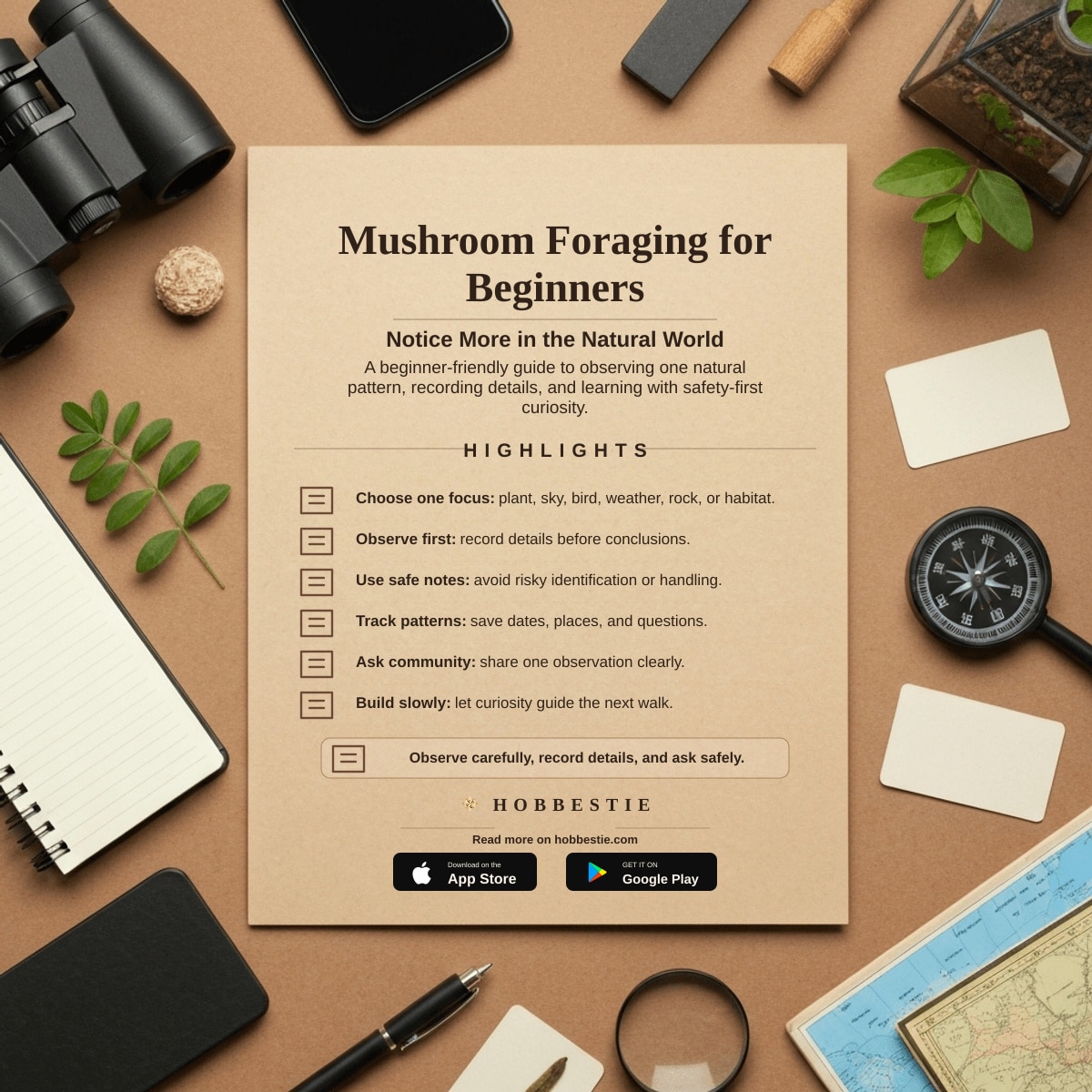
Are you ready to dive into the fascinating world of mushroom foraging for beginners this summer? It's an incredible way to connect with nature, discover delicious wild foods, and embrace a sustainable outdoor hobby. But before you grab your basket, remember that safety and responsible practices are paramount. This guide is designed to give nature enthusiasts like you the confidence to start your foraging journey safely, focusing on clear identification and ethical harvesting.
The Golden Rules of Safe Mushroom Foraging
Know Before You Go: Identification Essentials
Embarking on your first foraging adventure requires a solid foundation in identification. You must never eat anything you can't 100% identify with certainty. This golden rule is the cornerstone of all foraging safety tips. Take the time to learn the key features of mushrooms: observe the cap shape and color, the type of gills (or pores), the stem structure, the presence of a volva (a cup-like structure at the base), and always consider taking a spore print for further confirmation.
Always use multiple reliable sources for cross-referencing your finds. This includes trusted digital guides, reputable online courses, and even physical field guides specific to your region. As a beginner, focus on easily identifiable species first to build your confidence and recognition skills. Your safety is paramount, so prioritize caution over any culinary ambition.
The 'When in Doubt, Throw it Out' Mantra
This simple phrase should become your mantra when exploring the woods. If there's even a sliver of doubt about a mushroom's identity, it's best to leave it behind or discard it. Many edible mushrooms have toxic look-alikes that can be deadly, making beginner mushroom identification a serious endeavor. Learn about these common toxic imposters for the edible species you aim to find.
Always avoid foraging stressed, old, or decaying specimens, as they can be difficult to identify accurately and may harbor bacteria. Remember, one mistake can have severe consequences, so embrace a cautious approach. This mantra ensures that your wild mushroom guide is always your safety, not just your appetite.
Ethical Foraging: Respecting Nature's Bounty
Sustainable foraging practices are just as important as safe identification. When you forage, only take what you need and always leave some mushrooms behind for wildlife and for the mycelial network to continue producing. This ensures the health of the ecosystem and future harvests for everyone. Minimize any disturbance to the surrounding environment and the soil during your harvest.
Always respect private property boundaries and adhere to any local foraging regulations or park rules. Some areas may prohibit foraging entirely, so it's crucial to do your research beforehand. By following these guidelines, you contribute to sustainable foraging practices and become a responsible steward of nature's gifts.
Essential Digital Resources for Beginners
What to Bring on Your Foraging Adventure (Digital Tools First!)
When heading out for a summer foraging adventure, a few key items will make your experience much smoother and safer. Beyond the traditional basket or mesh bag – excellent for allowing spores to disperse as you walk – and a small knife for clean harvesting, your smartphone will be your best friend. Load it up with a reliable wild mushroom guide app or a downloadable identification eBook for quick reference in the field.
Don't forget to utilize your phone's GPS for navigation, which is crucial for marking your finds and ensuring you can always find your way back. Staying hydrated is also key, so always pack plenty of water and some energizing snacks. These digital and physical tools combine to create a comprehensive toolkit for mushroom foraging for beginners.
Leveraging Digital Learning for Identification
The digital age offers incredible opportunities for learning about mushrooms from the comfort of your home. Consider enrolling in online courses specifically focused on beginner mushroom identification, which are readily available on various digital marketplaces. These courses often provide structured learning paths, detailed images, and expert insights.
Interactive apps with photo recognition tools can be a fantastic starting point, but always remember to cross-reference their suggestions with other trusted sources. Download PDF guides for offline use, especially if you anticipate being in areas without reliable cell reception. Attending virtual workshops provides a unique opportunity for live interaction with experts, allowing you to ask questions and learn advanced foraging safety tips.
Building Your Digital Reference Library
As you gain experience, you'll want to curate a robust collection of trusted digital resources specific to your region. This digital reference library will become invaluable for accurate identification and expanding your knowledge. Learn to cross-reference information from various digital sources, comparing descriptions, images, and habitat details to ensure accuracy.
Engaging with online communities, such as dedicated forums or social media groups, can also be a powerful learning tool. These platforms allow you to understand regional variations in mushroom growth and local finds, offering insights that a generic guide might miss. By actively participating, you'll deepen your understanding of edible mushrooms summer and beyond.
Common Edible Summer Mushrooms for Beginners
Starting with the Safest: Foolproof Fungi
When you're just starting your mushroom foraging for beginners journey, it's wise to focus on species that have no dangerous look-alikes or possess very distinct, foolproof features. This approach significantly reduces the risk associated with beginner mushroom identification. Excellent examples to start with include Chanterelles (Cantharellus spp.), which have false gills that run down the stem, and Oyster Mushrooms (Pleurotus ostreatus), known for their shelf-like growth.
Another fantastic option is Chicken of the Woods (Laetiporus sulphureus), which has a distinctive bright orange color and a shelf-like growth pattern. However, always remember to verify locally, as regional variations and similar-looking species can exist. By starting with these easily recognizable edible mushrooms summer offers, you'll build confidence safely.
Where to Find Them: Habitats and Hotspots
Understanding the specific tree associations and environmental conditions for each species is crucial for successful foraging. Chanterelles, for instance, often grow in mossy woods, thriving in both deciduous and coniferous forests after good summer rains. Look for them peeking out from under leaf litter or moss.
Oyster mushrooms are typically found growing in clusters on decaying hardwoods, such as oak, maple, or beech trees, sometimes even on standing dead trees. Chicken of the Woods is frequently found on living or dead oak trees, but can also appear on other hardwoods, often high up on the trunk. Knowing these habitats vastly improves your chances of finding these delicious fungi and practicing sustainable foraging practices.
Beyond Identification: Harvesting & Preservation Tips
Once you've confidently identified an edible mushroom, learning how to properly harvest it is the next step. Use a small knife to cut the mushroom at the base of the stem, being careful not to disturb the underlying mycelium. This ensures the patch can continue to produce mushrooms for future seasons. Gently clean your finds in the field by brushing off excess dirt before placing them in your basket.
At home, a final gentle cleaning with a soft brush or damp cloth is usually sufficient. Avoid washing mushrooms under running water unless absolutely necessary, as they absorb moisture. For preservation, basic techniques include drying slices in a dehydrator, sautéing them before freezing, or simply refrigerating them for immediate use. You can easily find digital recipes and guides for these methods online, enhancing your wild mushroom guide knowledge.
Connecting with the Foraging Community
The Power of Online Foraging Groups
One of the most valuable resources for any aspiring forager is a vibrant community. Joining local Facebook groups or online forums dedicated to mushroom foraging can provide region-specific advice, real-time discussions, and a wealth of shared knowledge. These groups are excellent places to share photos of your finds for identification help, but always remember to make your own final identification based on multiple sources before consumption.
You'll also learn about virtual events, online meetups, and even digital challenges organized by fellow enthusiasts. Engaging with these communities can significantly enhance your beginner mushroom identification skills and introduce you to new edible mushrooms summer has to offer. It's a fantastic way to feel connected and supported on your foraging journey.
Virtual Workshops & Expert Webinars
Beyond casual online groups, seeking out structured learning opportunities can accelerate your expertise. Look for online workshops led by experienced mycologists or seasoned foragers. These often provide in-depth lessons, high-quality visuals, and practical tips that go beyond what a basic wild mushroom guide might cover.
Benefit immensely from live Q&A sessions, where you can clarify any doubts and learn advanced foraging safety tips directly from experts. Specialized webinars can help you expand your knowledge beyond basic identification, delving into topics like advanced ecological roles or specific preservation techniques. This direct access to expertise is invaluable for developing confidence and skill in sustainable foraging practices.
Mentorship and Guided Digital Tours
While in-person mentorship is ideal, the digital world offers creative ways to learn from experienced individuals. Explore options for virtual consultations with experts who can review your photos, discuss your local environment, and offer personalized advice. This can be a game-changer for refining your identification skills.
Some innovative foragers even offer "guided digital tours," where they use maps, shared photos, and video calls to walk you through potential foraging spots or discuss specific species in detail. Understanding the immense value of learning from experienced individuals, even in a digital setting, cannot be overstated. This community aspect truly rounds out the experience of mushroom foraging for beginners.
Ready to transform your summer into a safe and rewarding mushroom foraging adventure? Dive deeper into identification techniques, ethical practices, and delicious recipes with our comprehensive digital guides and online courses. Visit the Hobbestie marketplace today to download your essential mushroom foraging toolkit and connect with a community of passionate learners!