Nature Journaling for Beginners: A Spring Start Guide
Nature Journaling for Beginners: A Spring Start Guide
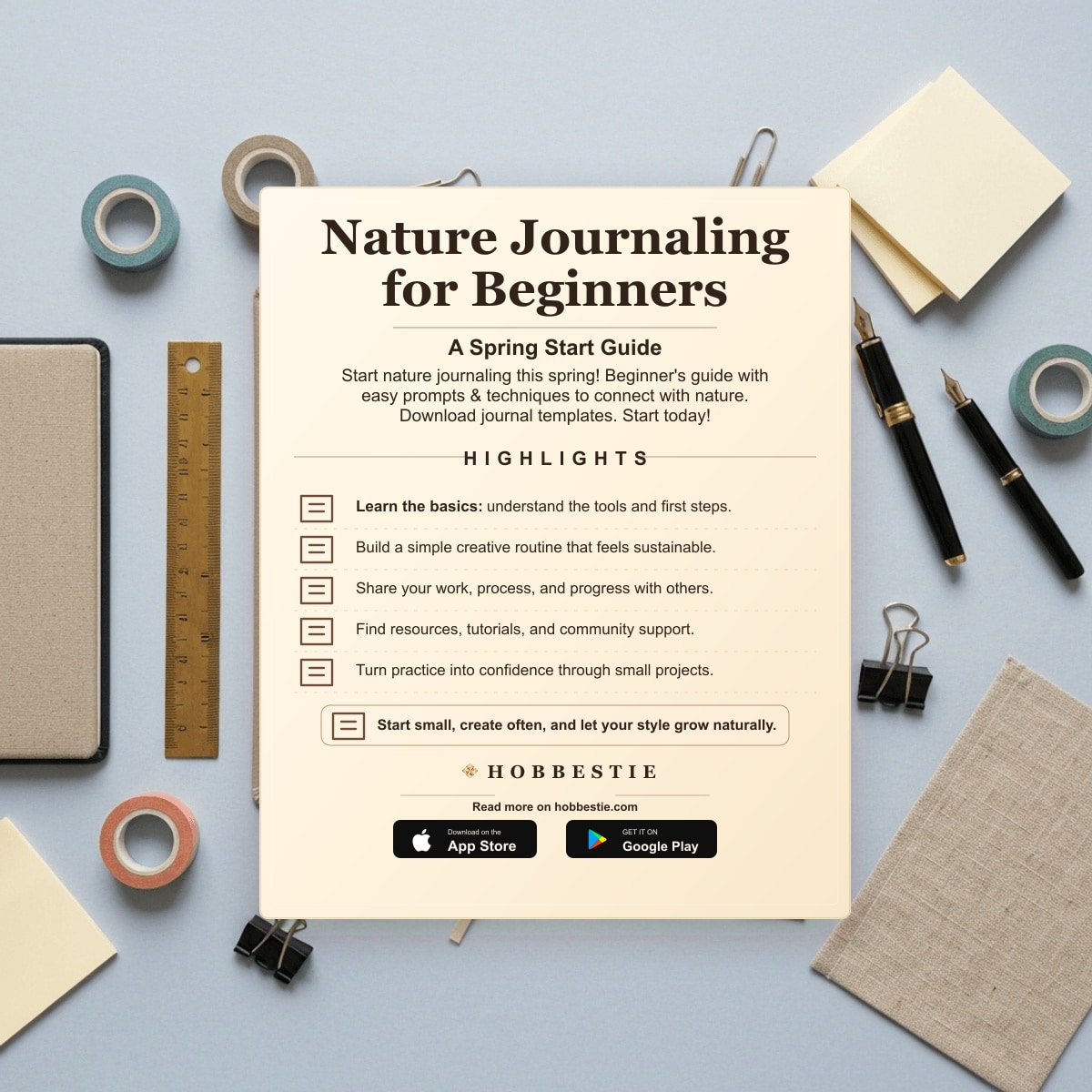
Are you looking for a relaxing and educational hobby that connects you with the natural world? Nature journaling for beginners is the perfect activity to embrace this spring! This guide will provide you with simple techniques and accessible prompts to start your nature journal, emphasizing mindfulness and a deeper connection with your environment. Downloadable journal templates are available to kickstart your creative journey.
Why Start Nature Journaling This Spring?
Benefits of Nature Journaling
Nature journaling offers a multitude of benefits for your well-being. It encourages increased mindfulness as you focus on the present moment and observe the details around you. It also sharpens your observation skills, allowing you to notice subtle changes and patterns in nature that you might otherwise miss.
Beyond observation, nature journaling can be a powerful tool for stress reduction. Spending time in nature and engaging in a creative activity can calm your mind and lower your stress levels. It provides an outlet for creative expression, allowing you to document your experiences through writing, drawing, and other artistic mediums.
Ultimately, nature journaling fosters a deeper appreciation for the natural world. By taking the time to observe and record your experiences, you'll develop a greater understanding and connection with the environment around you. You'll start to notice the intricate details and interconnectedness of all living things.
Spring: The Ideal Season
Spring is undeniably the best time to begin your nature journaling adventure. The season of new beginnings offers a visual feast of new growth and vibrant colors. Everything is coming alive, from the first buds on trees to the blooming of wildflowers.
Spring is when you'll see a surge of increased activity in nature. Birds are singing, insects are buzzing, and animals are emerging from hibernation. It's an exciting time to observe the bustling activity of the natural world.
Finally, spring embodies a sense of renewal and rebirth. Starting a nature journal in spring mirrors this sense of new beginnings, providing an opportunity to refresh your perspective and reconnect with the world around you. It's the perfect time to embrace a new hobby and cultivate a deeper appreciation for nature.
Overcoming Beginner's Hesitations
Many beginners feel hesitant to start nature journaling, often due to misconceptions. Some feel intimidated by the perceived need for advanced art skills. But nature journaling is about capturing your observations, not creating perfect artwork. Stick figures and simple sketches are perfectly acceptable!
Another common concern is thinking they don't have enough time. However, nature journaling doesn't require hours of dedicated time. Even 15-20 minutes a day can be enough to make meaningful observations and record your experiences. You can start small and gradually increase the time you spend as you become more comfortable.
Finally, some beginners feel unsure about what to write or draw. The prompts in this guide will provide you with plenty of ideas to get started. Remember, nature journaling is about the process, not perfection. It's about engaging with nature and recording your unique experiences. Focus on what interests you and let your curiosity guide you.
Essential Tools and Materials (Digital)
Choosing Your Journal Format (Digital)
When starting a digital nature journal, selecting the right format is key for accessibility and ease of use. Dedicated journaling apps like Day One or Diarium offer organized interfaces, cloud syncing, and multimedia support. These apps often provide features tailored to journaling, such as templates and prompt reminders.
Alternatively, consider using a tablet with a stylus, such as an iPad with an Apple Pencil or a Samsung Galaxy Tab with an S Pen. These devices allow for both handwriting and digital drawing, providing a versatile platform for your nature journal. Apps like Procreate or Autodesk Sketchbook work seamlessly with styluses for artistic expression.
For a more traditional approach, you can use a word processor or note-taking app on your computer. Programs like Microsoft Word, Google Docs, or Evernote allow you to type your observations and insert images. This format is ideal if you prefer typing over handwriting or drawing.
Digital Art Supplies (Apps & Software)
Enhance your digital nature journal with the right digital art supplies. Drawing and painting apps like Adobe Fresco, ArtRage, or Krita provide a wide range of brushes, colors, and tools for creating digital artwork. Many of these apps offer free or affordable options, making them accessible to beginners.
Photo editing software can be used to enhance your images and create visual representations of your observations. Apps like Adobe Lightroom Mobile, Snapseed, or VSCO offer powerful editing tools for adjusting brightness, contrast, color, and sharpness. These apps also allow you to add filters and effects to your photos.
Experiment with digital brushes and palettes to create unique artistic styles. Many drawing and painting apps offer a variety of pre-made brushes and palettes, or you can create your own custom tools. Explore different brush textures, blending modes, and color combinations to find the styles that best suit your artistic vision.
Reference Materials (Online Resources)
Identifying local flora and fauna is a crucial part of nature journaling. Field guides are excellent resources for identifying plants, animals, and insects in your area. Many field guides are available in digital format, making them easily accessible on your phone or tablet.
Websites like iNaturalist, AllTrails, and the Audubon Society offer a wealth of information about the natural world. These websites provide species identification guides, maps of hiking trails, and educational resources about nature conservation.
Online communities such as nature photography groups or birdwatching forums can provide valuable insights and assistance. Connect with fellow nature enthusiasts to share your observations, ask questions, and learn from others' experiences. Always ensure you're using reliable sources when identifying species and gathering information.
Simple Techniques for Nature Journaling
Observational Drawing Basics
Don't let the fear of not being an artist stop you! Focus on shapes, lines, and textures rather than striving for perfect realism. Start by breaking down complex subjects into simple shapes, such as circles, squares, and triangles. Then, focus on capturing the lines and contours of the subject.
Start with simple subjects like leaves or flowers. These are readily available and provide a good starting point for practicing your observational drawing skills. Focus on capturing the details of the leaf or flower, such as the veins, petals, and stem. Draw what you see, not what you think you see.
Practice regularly to improve your skills over time. The more you practice, the better you'll become at observing and capturing the details of the natural world. Don't be afraid to experiment with different drawing techniques and styles.
Descriptive Writing Prompts
Engage your senses to bring your nature journal to life. Describe the sounds of nature, such as the chirping of birds, the rustling of leaves, or the gentle flow of a stream. Use descriptive language to capture the unique sounds of your environment. Is it a high-pitched chirp or a low, guttural croak?
Describe the feeling of the sun on your skin or the wind in your hair. Use sensory details to convey the physical sensations of being in nature. Is the sun warm and gentle, or hot and intense? Is the wind a gentle breeze or a strong gust?
Describe the smell of the earth after rain or the fragrance of blooming flowers. Use your sense of smell to add another layer of detail to your nature journal entries. What does the forest floor smell like? How would you describe the scent of a rose?
Incorporating Data and Facts
Add a scientific dimension to your nature journal by recording the date, time, and location of your observations. This information will help you track changes in the natural world over time. Note the specific location where you made your observations, such as a park, garden, or forest.
Record the weather conditions, such as temperature, humidity, wind speed, and cloud cover. This information can help you understand how weather affects plant and animal behavior. A simple weather app on your phone can provide you with the data you need.
Record observations about plant or animal behavior. Note any interesting or unusual behaviors you observe, such as a bird building a nest, an insect pollinating a flower, or an animal foraging for food. Use online resources to identify species and learn more about their behavior.
Remember, the key is to capture your experience, not to create a scientific masterpiece. Nature journaling is about combining your artistic and scientific observations to create a unique record of your connection with the natural world.
Spring Nature Journaling Prompts
Flora-Focused Prompts
Draw or describe a newly emerging bud on a tree or shrub. Capture the delicate details of the bud as it unfurls and begins to grow. What color is the bud? What texture does it have?
Compare different types of leaves you find in your area. Note the differences in shape, size, color, and texture. Create a leaf rubbing to capture the unique patterns of each leaf.
Document the blooming process of a flower from bud to full bloom. Take photos or draw sketches of the flower at different stages of its development. Note the changes in color, shape, and size as the flower blooms.
Fauna-Focused Prompts
Observe the behavior of birds, insects, or other animals in your backyard or local park. Note what they are doing, how they interact with each other, and what they are eating. Are they building nests, foraging for food, or playing?
Track the migration patterns of birds in your area. Note when different species arrive and depart, and where they are migrating to. Use online resources to learn more about bird migration patterns.
Document the life cycle of a butterfly from egg to caterpillar to chrysalis to butterfly. Take photos or draw sketches of each stage of the butterfly's development. Note the changes in color, shape, and size as the butterfly transforms.
Mindfulness and Reflection Prompts
Describe your feelings while spending time in nature. How does being in nature make you feel? Do you feel calm, relaxed, energized, or inspired?
Reflect on the interconnectedness of all living things. How are plants, animals, and humans connected to each other? How does your connection with nature affect your well-being?
Express gratitude for the beauty of the natural world. What aspects of nature are you most grateful for? How can you show your appreciation for the natural world?
Taking Your Nature Journaling Further
Joining Online Communities
Share your work and connect with fellow enthusiasts by joining online nature journaling communities. Platforms like Instagram, Facebook groups, and online forums provide spaces to share your journal entries, receive feedback, and find inspiration. Engaging with other nature journalers can be incredibly motivating and educational.
Don't forget to check out Hobbestie forums! It's a great place to connect with like-minded individuals, share your experiences, and learn from others.
Exploring Advanced Techniques (Digital)
Elevate your digital nature journal by creating digital collages. Combine photos, drawings, and text to create visually appealing and informative journal entries. Apps like Canva or Adobe Spark offer user-friendly tools for creating digital collages.
Use photo editing software to enhance your images. Adjust brightness, contrast, and color to bring out the details in your photos. Experiment with different filters and effects to create unique artistic styles. Apps like Lightroom Mobile or Snapseed provide a wide range of editing tools.
Experiment with different digital art styles to find the styles that best suit your artistic vision. Try watercolor painting, digital sketching, or photo manipulation. Explore different brush textures, blending modes, and color palettes. Hobbestie courses and tutorials can provide you with the skills and knowledge you need to explore these techniques.
Making it a Habit
Consistency is key to making nature journaling a sustainable habit. Set aside specific time each week for nature journaling. Even 15-20 minutes a day can be enough to make meaningful observations and record your experiences. Schedule it in your calendar like any other important appointment.
Find a favorite spot in nature that you can visit regularly. This will make it easier to connect with nature and create a sense of routine. Choose a spot that is easily accessible and that you find visually appealing.
Remember to focus on the process rather than the outcome. Nature journaling is about engaging with nature and recording your unique experiences, not about creating perfect artwork or writing flawless prose. Enjoy the process of observation, reflection, and creative expression. The more you enjoy it, the more likely you are to stick with it.
Ready to begin your nature journaling journey? Visit the Hobbestie marketplace to download digital journal templates, access online courses on nature drawing and writing, and connect with a community of fellow nature enthusiasts. Start creating your own nature journal today and discover the beauty and wonder of the natural world!