Vegetable Gardening for Beginners: Grow Your Spring Bounty!
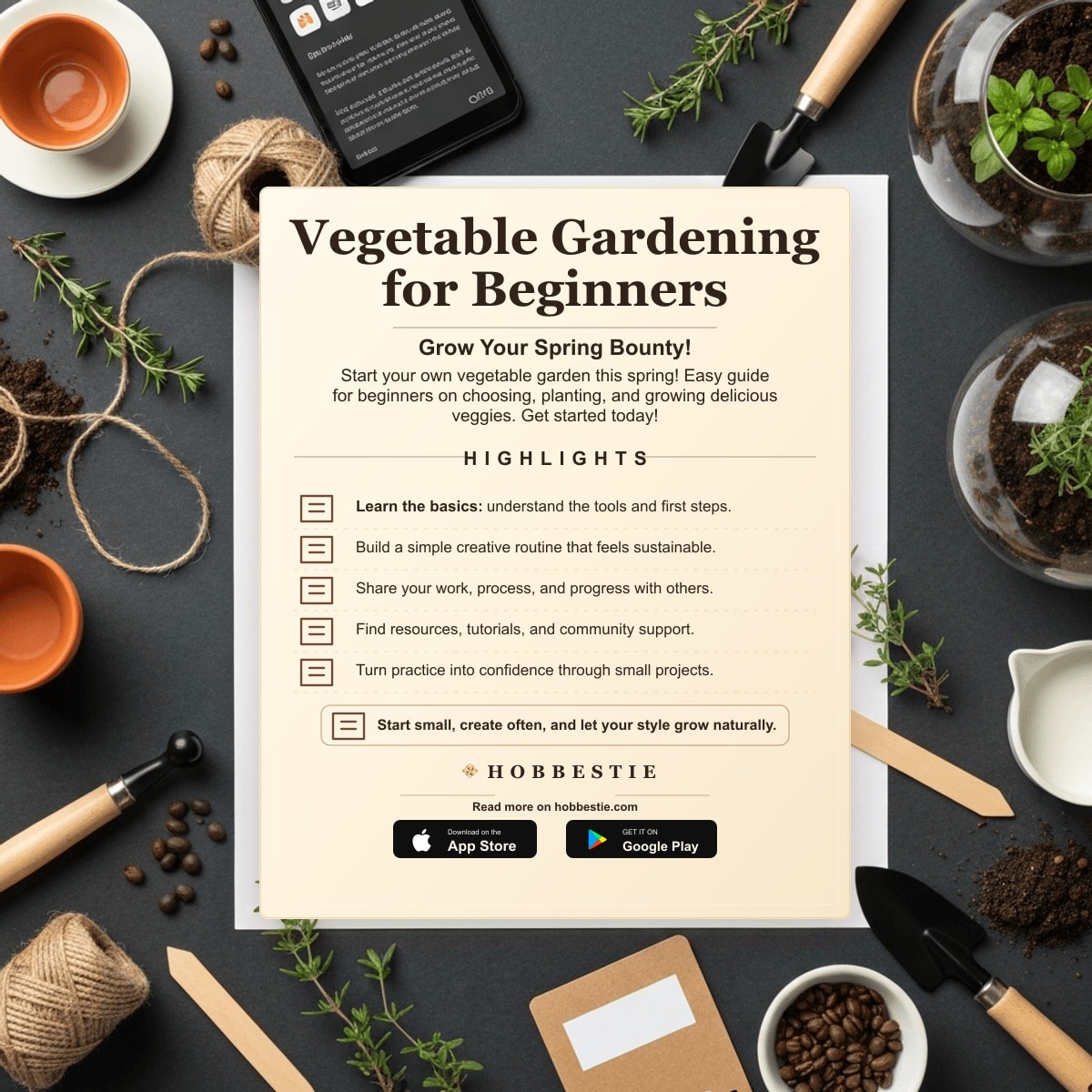
Vegetable Gardening for Beginners: Grow Your Spring Bounty!
Are you ready to dive into the wonderful world of vegetable gardening for beginners? Spring is the perfect time to start planning and planting your own garden, even if you've never grown anything before. Imagine fresh, delicious vegetables right from your backyard! This guide will walk you through the basics, focusing on easy-to-grow vegetables perfect for beginner gardens. Let's get started on your spring vegetable gardening adventure!
Getting Started: Planning Your Spring Vegetable Garden
Planning is key to a successful vegetable garden. Before you even think about seeds, take some time to assess your space and understand your soil. A little preparation goes a long way in ensuring a bountiful harvest. Let's explore some important factors to consider.
Choosing the Right Location
Sunlight is crucial for most vegetables. Most vegetables need at least 6-8 hours of direct sunlight each day to thrive. Observe your yard throughout the day to identify the sunniest spots. Consider how the sun's path changes as the season progresses.
Water access is another important factor. Choose a location that is near a water source, such as a hose or spigot, for easy watering. Hauling water long distances can be tiring and time-consuming. Being close to water makes the task much easier.
Understanding Your Soil
Your soil is the foundation of your garden. Testing your soil pH is a good first step. Most vegetables prefer a slightly acidic soil, with a pH between 6.0 and 7.0. You can purchase a soil testing kit at most garden centers or online.
Improving your soil quality is essential for healthy plant growth. Amend your soil with compost or other organic matter to improve its structure and fertility. Compost adds nutrients and helps the soil retain moisture. Think of it as a vitamin boost for your plants.
Planning Your Garden Layout
Consider the mature size of each vegetable when planning your layout. Give your plants enough space to grow and thrive. Overcrowding can lead to competition for resources and increased disease risk. Proper spacing is key.
Companion planting is a great way to maximize space and deter pests. Research which vegetables grow well together. For example, planting basil near tomatoes can help repel pests and improve the tomato flavor. It's a win-win!
Top 5 Easiest Vegetables for Beginner Spring Gardens
Choosing the right vegetables is crucial for beginner success. Some vegetables are simply easier to grow than others. Here are five of the easiest and most rewarding vegetables for beginner spring gardens.
Lettuce: Quick and Easy Greens
Lettuce is one of the quickest and easiest vegetables to grow. You can sow seeds directly into the garden or start them indoors. Loose-leaf varieties are great for continuous harvesting. You can snip off leaves as you need them, and the plant will keep producing.
Lettuce comes in a variety of colors and textures, adding visual appeal to your garden and your salads. Try growing different varieties like Romaine, Butterhead, or Red Leaf lettuce. They each have their own unique flavor and texture.
Radishes: From Seed to Table in Weeks
Radishes are incredibly fast-growing, often ready to harvest in just a few weeks. Plant seeds directly into the garden in early spring. Make sure to keep the soil consistently moist for best results.
Radishes add a peppery crunch to salads and other dishes. They come in various colors, from red to white to purple. Try growing different varieties to add some excitement to your plate. They are a great addition to any beginner garden.
Spinach: Nutrient-Packed and Versatile
Spinach is a nutrient-packed leafy green that is relatively easy to grow. Plant seeds directly into the garden in early spring. Harvest outer leaves as needed, allowing the plant to continue producing.
Spinach is delicious in salads, smoothies, and cooked dishes. It's a versatile vegetable that can be used in many different ways. Plus, it's packed with vitamins and minerals. Think of Popeye and get planting!
Consider downloading a planting schedule PDF to help you keep track of when to sow seeds. This can be a huge help when planning your garden. Join our community if you have any questions.
Container Gardening: Growing Vegetables in Small Spaces
Don't have a lot of space? No problem! Container gardening is a great way to grow vegetables in small spaces, such as balconies, patios, or even indoors. With the right setup, you can enjoy fresh vegetables even without a traditional garden.
Choosing the Right Containers
Container size is important. Choose containers that are large enough for the mature size of the vegetable you want to grow. A small container might be fine for herbs, but larger vegetables like tomatoes or peppers will need more space.
Drainage is crucial. Ensure your containers have drainage holes to prevent waterlogging. Soggy soil can lead to root rot and other problems. Good drainage is essential for healthy plant growth.
Selecting the Best Soil for Containers
Use a high-quality potting mix specifically designed for containers. Garden soil can compact in containers, hindering drainage and root growth. Potting mix is lighter and provides better aeration.
Avoid using garden soil in your containers. It can introduce pests and diseases. Invest in a good quality potting mix for the best results. Your plants will thank you for it.
Watering and Fertilizing Container Vegetables
Container vegetables tend to dry out more quickly than those grown in the ground. Water regularly, especially during hot weather. Check the soil moisture daily and water when the top inch feels dry.
Fertilize your container vegetables every 2-3 weeks with a balanced liquid fertilizer. Container plants rely on you to provide nutrients. Regular fertilization will ensure they have everything they need to thrive.
Download a guide to container gardening from Hobbestie marketplace. It's a great resource for beginners!
Raised Bed Gardening: Creating a Productive Growing Space
Raised bed gardening is another great option for beginners. Raised beds offer improved drainage, better soil control, and easier access for planting and harvesting. They are a fantastic way to create a productive growing space in your backyard.
Building or Buying a Raised Bed
Consider the size and location of your raised bed. Choose a size that is manageable for you and located in a sunny spot. A raised bed that is too large can be difficult to maintain. Location is everything!
Use rot-resistant wood or other durable materials to build your raised bed. Cedar and redwood are good choices for wood. You can also use concrete blocks or other materials. Choose something that will last for years.
Filling Your Raised Bed with Soil
Fill your raised bed with a mixture of topsoil, compost, and other organic matter. This will provide a rich and well-draining soil for your vegetables. A good soil mixture is essential for healthy plant growth.
Avoid using soil directly from your yard, as it may contain weeds or diseases. Instead, purchase topsoil and compost from a garden center. Mix them together thoroughly before filling your raised bed.
Maintaining Your Raised Bed Garden
Regularly remove weeds to prevent them from competing with your vegetables. Weeds can steal nutrients and water from your plants. Stay on top of weeding to keep your garden healthy.
Apply mulch to help retain moisture and suppress weeds. Mulch also helps to regulate soil temperature. Straw, wood chips, or shredded leaves make excellent mulch materials. It's a simple way to improve your garden.
Check out our Hobbestie blog on building raised beds for more detailed instructions.
Troubleshooting Common Beginner Gardening Problems
Even the most experienced gardeners encounter problems from time to time. Don't get discouraged if you run into challenges. Here are some common beginner gardening problems and how to solve them.
Pest Control: Natural and Organic Methods
Learn to identify common garden pests and their damage. Early detection is key to preventing serious infestations. Look for signs of chewing, holes, or discoloration on your plants.
Use natural pest control methods such as handpicking, insecticidal soap, or neem oil. Avoid using harsh chemicals that can harm beneficial insects and the environment. Natural methods are often just as effective and much safer.
Disease Prevention: Keeping Your Plants Healthy
Choose disease-resistant varieties of vegetables whenever possible. This can significantly reduce your risk of disease problems. Look for labels that indicate disease resistance when purchasing seeds or seedlings.
Practice good sanitation in your garden. Remove any diseased leaves or plants promptly. Clean your tools regularly to prevent the spread of disease. Sanitation is key to a healthy garden.
Watering Issues: Avoiding Overwatering and Underwatering
Water deeply and less frequently, allowing the soil to dry out slightly between waterings. Overwatering can lead to root rot, while underwatering can stress your plants. Find the right balance.
Use a soil moisture meter or check the soil with your finger to monitor soil moisture. This will help you determine when your plants need water. Don't rely solely on the appearance of the soil surface.
Download a pest and disease identification guide from Hobbestie. It's a valuable resource for any gardener.
Ready to start your spring vegetable gardening adventure? Download our beginner's gardening templates and access expert advice on Hobbestie to help you plan, plant, and grow your own delicious and healthy vegetables this season!