"Watercolor Painting for Beginners: Spring into Art!"
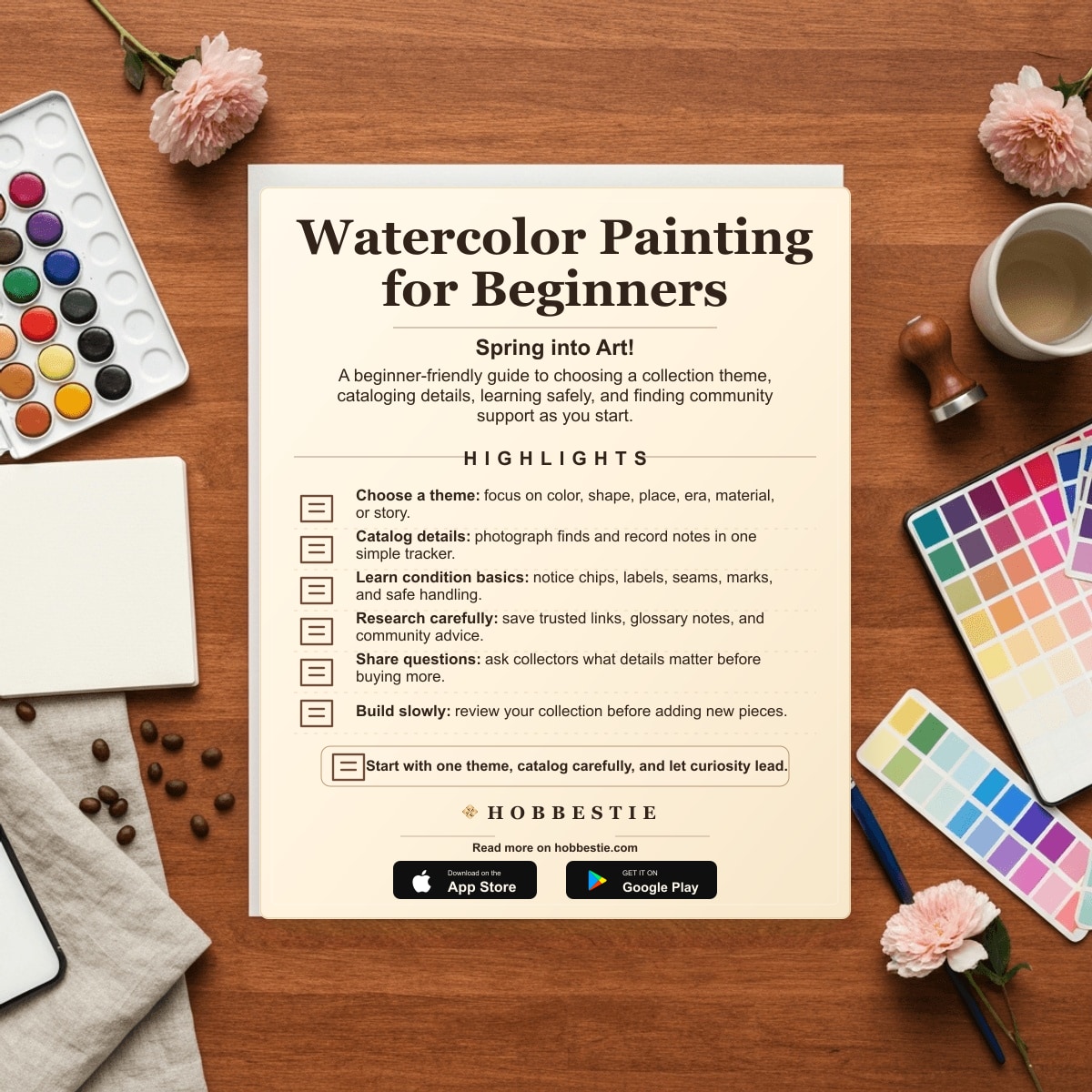
Are you ready to try watercolor painting for beginners? Spring is the perfect time to unlock your inner artist and capture the beauty around you. This guide will walk you through easy techniques and spring-themed projects, making watercolor painting accessible and enjoyable, even if you've never picked up a brush before. Get ready to dive into a relaxing and rewarding creative hobby!
Getting Started with Watercolor: Essential Supplies
Starting a new hobby can feel overwhelming with the sheer amount of supplies available. Don't worry, you don't need to break the bank to begin your watercolor journey. Let's explore some affordable and essential supplies to get you started.
Affordable Watercolor Paints: Choosing Your Palette
Choosing the right watercolor paints is the first step. You don't need a huge set of colors to start. Instead, focus on building a small, versatile palette.
A great starting point is a limited palette of warm and cool primary colors. Think a warm red (like cadmium red), a cool red (like alizarin crimson), a warm yellow (like cadmium yellow), a cool yellow (like lemon yellow), a warm blue (like ultramarine blue), and a cool blue (like phthalo blue). Adding a tube of white and black will also give you more options. Remember Hobbestie does not sell physical supplies. Instead, look for digital tutorials on how to make your own paints.
Paper Matters: Selecting the Right Surface for Watercolor
Watercolor paper is specially designed to absorb water without buckling or warping. Using the right paper will make a huge difference in your painting experience. Different weights and textures of watercolor paper affect the way the paint behaves.
For beginners, cold-pressed paper is a good choice because it has a slightly textured surface that's forgiving and versatile. Look for paper that's at least 140 lb (300 gsm) to prevent excessive buckling. Brands like Canson XL Watercolor Paper or Strathmore 400 Series Watercolor Paper are affordable and readily available. Instead of buying these supplies, look for digital tutorials on how to make your own paper.
Brushes for Beginners: Finding Versatile Options
Choosing the right brushes can also impact your watercolor experience. You don't need a huge collection to begin with. A few versatile brushes in different shapes and sizes will suffice.
A round brush (size 6 or 8) is great for detail work and creating thin lines. A flat brush (1/2 inch or 3/4 inch) is useful for washes and covering larger areas. Synthetic brushes are a budget-friendly option that works well for beginners. Remember to clean your brushes thoroughly after each use to prolong their life. Digital tutorials on how to make your own brushes are also available.
Mastering Basic Watercolor Techniques
Now that you have your supplies, let's dive into some basic watercolor techniques. Mastering these techniques will give you a solid foundation for creating beautiful paintings. These techniques are used by artists like Sarah Blake and David Millard.
The Wet-on-Wet Technique: Creating Soft and Dreamy Effects
The wet-on-wet technique involves applying paint to a wet surface. This creates soft, blended effects that are perfect for skies, clouds, and blossoms. Wet the paper with clean water before applying your paint.
Watch how the colors blend and bleed together, creating a dreamy, ethereal look. For spring-themed subjects, try using this technique to paint soft, fluffy clouds or delicate cherry blossoms. Hobbestie offers online courses that demonstrate these techniques with video tutorials.
The Wet-on-Dry Technique: Achieving Precision and Detail
The wet-on-dry technique involves applying paint to a dry surface. This allows for sharper lines and more controlled details. This technique is ideal for painting leaves, stems, and other intricate details.
Load your brush with paint and carefully apply it to the dry paper. You'll notice that the paint stays where you put it, allowing you to create precise shapes and lines. Try using this technique to paint the veins of a leaf or the delicate petals of a flower.
Color Mixing for Beginners: Expanding Your Palette
Color mixing is essential for creating a wide range of colors from a limited palette. By mixing primary colors, you can create secondary colors and countless other hues. Experiment with different ratios to achieve the desired color.
Mix blue and yellow to create green, red and yellow to create orange, and red and blue to create purple. For spring colors, try mixing different shades of green for foliage and pinks for flowers. Online Watercolor Courses on Hobbestie can help you master this technique.
Spring-Inspired Watercolor Projects for Beginners
Ready to put your new skills to the test? Here are some spring-inspired watercolor projects that are perfect for beginners. These projects are designed to be simple and achievable, even if you've never painted before.
Painting Simple Spring Flowers: A Step-by-Step Guide
Let's start with a simple spring flower like a tulip or daffodil. Begin by sketching the basic shape of the flower on your watercolor paper. Use a light pencil so you can erase it later.
Next, wet the area inside the flower petals with clean water. Apply a light wash of color to the petals, allowing the colors to blend and bleed together. Add darker shades to create depth and dimension. Finally, paint the stem and leaves using different shades of green. Digital templates or printable guides from the Hobbestie marketplace can assist you with this project.
Capturing a Spring Landscape: Easy Techniques for Beginners
Painting a spring landscape can seem daunting, but it doesn't have to be. Focus on simple shapes and layering techniques to create a beautiful scene. Start by painting a light blue sky using the wet-on-wet technique.
Next, add a field of green grass using different shades of green. Create a distant treeline by layering different shades of brown and green. Add details like wildflowers and birds to bring your landscape to life.
Watercoloring Spring Birds: A Beginner's Approach
Painting a spring bird can be a fun and rewarding project. Start by sketching the basic shape of the bird on your watercolor paper. Focus on basic shapes and color washes to create a stylized representation.
Use light washes of color to create the bird's feathers. Add details like the eyes, beak, and feet using a fine-tipped brush. Experiment with different colors and patterns to create a unique and vibrant bird.
Tips for Success: Overcoming Common Watercolor Challenges
Watercolor painting can be challenging at times, but don't get discouraged! Here are some tips for overcoming common watercolor challenges. Remember, practice makes perfect!
Controlling Water Flow: Avoiding Common Mistakes
One of the biggest challenges in watercolor painting is controlling water flow. Too much water can lead to muddy colors and uncontrolled washes. Not enough water can result in dry, streaky effects.
Experiment with different amounts of water to find the right consistency. Use a clean, damp brush to lift excess water from your paper. Avoid tilting your paper too much, as this can cause the water to run in unwanted directions.
Preventing Muddy Colors: Keeping Your Colors Clean
Muddy colors can be a common problem for beginners. This is often caused by over-mixing colors or using dirty water. To prevent muddy colors, start with clean water and a clean palette.
Avoid over-mixing your colors. Mix only the colors you need for each section of your painting. Clean your brushes thoroughly after each use. Embrace imperfections and view mistakes as learning opportunities.
Embracing Imperfection: Finding Joy in the Process
Watercolor painting is all about embracing imperfection. Don't be afraid to make mistakes. View them as learning opportunities.
The beauty of watercolor lies in its unpredictable nature. Let the colors flow and blend together, creating unique and unexpected effects. Join the Hobbestie community forum to share your artwork and get feedback.
Continue Your Watercolor Journey
Congratulations on completing your first watercolor projects! Now it's time to continue your watercolor journey and explore new techniques and ideas. The journey of creativity is endless.
Exploring Advanced Techniques
Once you've mastered the basic techniques, you can start exploring more advanced techniques like glazing, dry brushing, and lifting. Glazing involves layering thin washes of color to create depth and dimension. Dry brushing involves using a dry brush to create textured effects. Lifting involves removing paint from the paper to create highlights and details.
Finding Inspiration
Inspiration can come from anywhere. Look to nature, photography, and other artists' work for ideas. Take a walk in the park and observe the colors and shapes of the flowers and trees. Browse through art books and magazines to see how other artists use watercolor.
Sharing Your Art
Sharing your art is a great way to connect with other artists and receive feedback. Share your artwork on social media or in online communities. Join the Hobbestie Community to connect with fellow artists.
You can also participate in art challenges and exhibitions to showcase your work. Check out Digital Art on Hobbestie that can serve as inspiration.
Ready to dive deeper into the world of watercolor? Explore Hobbestie's marketplace for a wealth of digital resources, including Online Watercolor Courses, digital templates, and inspiring artwork to fuel your creative journey. Join our vibrant community and share your spring-inspired creations!