Wire Wrapping Jewelry: Spring Designs for Beginners
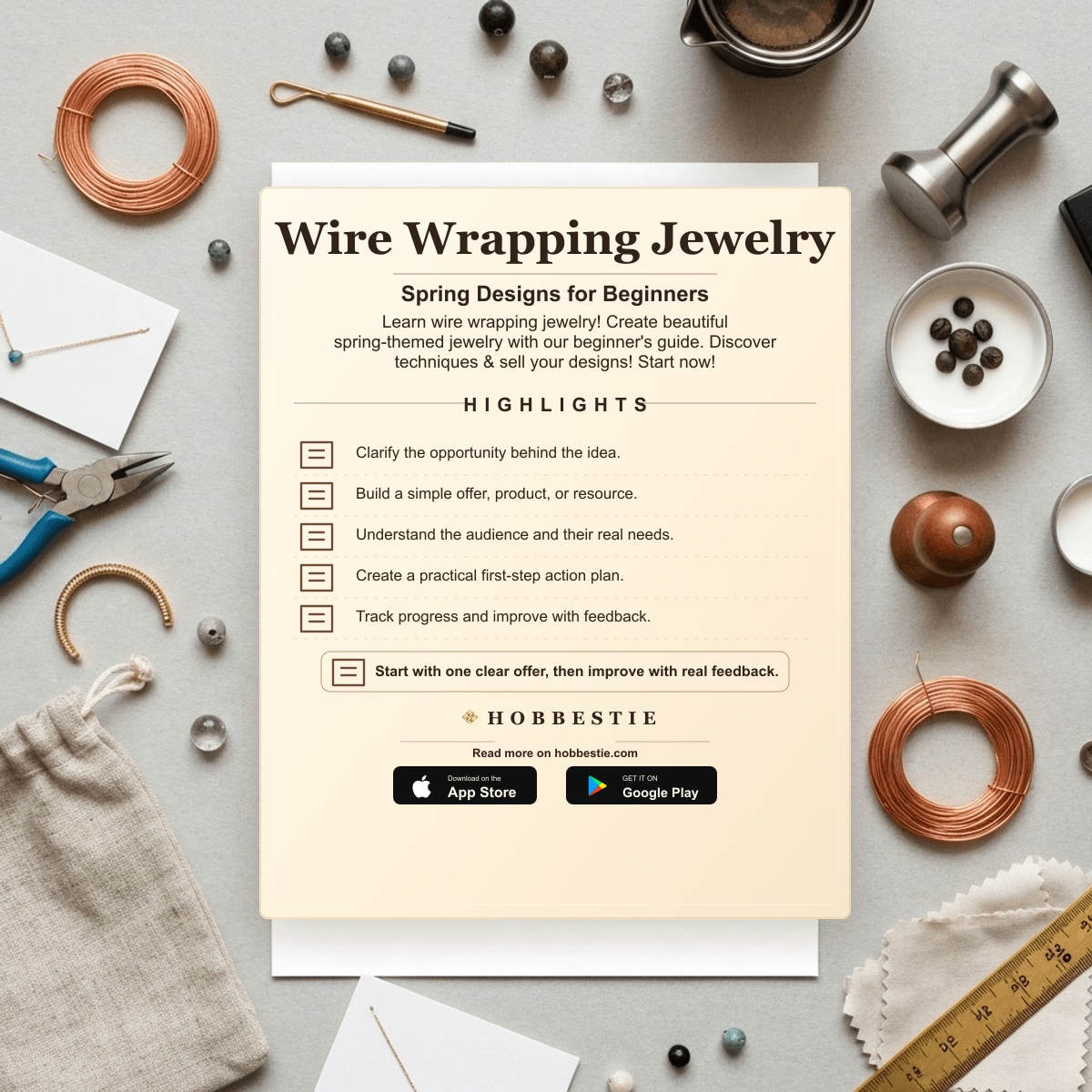
Wire Wrapping Jewelry: Spring Designs for Beginners
Are you ready to dive into the beautiful world of wire wrapping jewelry? This beginner's guide will walk you through creating stunning spring-themed pieces. We'll cover everything from basic techniques to incorporating natural elements and even selling your creations. Get ready to unleash your creativity and craft unique, handcrafted accessories!
Understanding Wire Wrapping Jewelry Basics
Essential Tools and Materials for Beginners
To begin your wire wrapping tutorial journey, you'll need a few essential tools. Round nose pliers are perfect for creating loops and curves. Flat nose pliers are ideal for gripping and straightening wire. Chain nose pliers offer a versatile option for various tasks. Don't forget wire cutters for clean, precise cuts. A ruler and a work surface mat are also helpful for accurate measurements and protection.
Basic Wire Wrapping Techniques to Master
Mastering basic techniques is key to successful wire wrapping for beginners. The coil wrap involves wrapping wire tightly around another wire or component. The spiral wrap creates a decorative spiral effect. The figure-eight wrap is excellent for securing beads or creating strong connections. Practice these wraps to build a solid foundation. Remember to keep your wraps neat and consistent for a professional look.
Choosing the Right Wire for Your Projects
Selecting the right wire is crucial for your jewelry's durability and appearance. Wire gauge refers to the thickness of the wire; thinner gauges are more flexible, while thicker gauges are sturdier. Copper wire is affordable and easy to work with. Silver-plated wire offers a brighter, more elegant look. Consider the wire's hardness; dead soft wire is very pliable, while half-hard wire holds its shape better. For a delicate pendant like a dandelion design, you might use 24-gauge silver-plated wire. To calculate the wire needed, measure the length of each wrap and add extra for securing the ends.
Spring-Inspired Wire Wrapping Jewelry Designs
Floral Wire Wrapped Pendants
Create delicate floral pendants that capture the essence of spring. Use wire to form petal shapes and secure them around a central bead or crystal. Incorporate spring colors like soft pinks, greens, and yellows using seed beads or enamel-coated wire. For example, craft a cherry blossom pendant using pink and white beads with 26-gauge copper wire. These pendants are perfect for necklaces or charms.
Crystal and Bead Accented Earrings
Design stunning earrings with crystals and beads that reflect the vibrancy of spring. Choose crystals like amethyst, rose quartz, or peridot to represent spring's beauty. Use wire to create delicate frameworks that hold the crystals and beads securely. Ensure your earring attachments are comfortable and secure. Try crafting a pair of dangling earrings with peridot crystals and green seed beads, using 22-gauge silver wire for the frame. A simple French hook earring wire will complete the look.
Nature-Inspired Wire Wrapped Rings
Craft rings inspired by nature, such as leaves, vines, or blossoms. Use wire to create intricate designs that wrap around your finger comfortably. Size your rings accurately to ensure a perfect fit. For a leaf-inspired ring, use 20-gauge copper wire to form the basic shape and add veins with 28-gauge wire. You can add texture by hammering the wire gently before shaping it. Remember to smooth any sharp edges for comfort.
Incorporating Natural Elements into Your Designs
Using Crystals and Gemstones in Wire Wrapping
Crystals and gemstones can add a touch of elegance and natural beauty to your jewelry making. Select crystals that complement spring themes, such as amethyst for its calming energy or rose quartz for its association with love and compassion. Securely wrap crystals of various shapes and sizes using wire. For example, create a wire-wrapped pendant with a teardrop-shaped amethyst crystal, using 24-gauge silver wire to highlight its natural beauty.
Adding Beads and Seed Beads for Texture and Color
Incorporate beads and seed beads to add texture, color, and visual interest to your designs. Use a variety of bead sizes and colors to create balanced and harmonious pieces. For a spring-themed bracelet, use a mix of pastel-colored seed beads and larger glass beads, securing them with 26-gauge copper wire. Experiment with different bead arrangements to achieve unique and eye-catching designs.
Working with Natural Stones and Pebbles
Working with natural stones and pebbles can add an organic and rustic aesthetic to your wire-wrapped jewelry. You can either drill stones yourself using a rotary tool and diamond-tipped drill bits, or purchase pre-drilled stones. Wrap the stones securely with wire, emphasizing their natural shapes and textures. Create a pendant using a smooth river stone wrapped with 20-gauge copper wire, showcasing its unique form. Always wear safety glasses when drilling stones.
Troubleshooting Common Wire Wrapping Challenges
Preventing Wire Breaks and Kinks
Preventing wire breaks and kinks is essential for a smooth diy jewelry making process. Avoid bending the wire excessively in the same spot. Use smooth, controlled movements when wrapping. If a wire does kink, gently straighten it with pliers. For instance, if you're working with a delicate 28-gauge wire, be extra careful not to apply too much pressure. Annealing the wire (heating it with a torch and then quenching it) can also help make it more pliable and less prone to breaking.
Achieving Clean and Professional Finishes
Achieving clean and professional finishes will elevate your wire-wrapped jewelry. Smooth any rough edges with a file or sandpaper. Polish your pieces with a polishing cloth or a tumbler for a shiny, professional look. For example, after creating a wire-wrapped ring, use a polishing cloth to remove any tarnish and bring out the shine. A tumbler with stainless steel shot can provide a high-gloss finish, especially for copper and silver.
Maintaining Consistent Tension and Shape
Maintaining consistent tension and shape throughout your projects is crucial for creating uniform and aesthetically pleasing designs. Use jigs and templates to create consistent shapes and sizes. Practice your wrapping technique to develop a feel for the right amount of tension. If you're creating multiple identical pieces, like earrings, use a jig to ensure they are all the same size and shape. This will give your jewelry a professional and polished appearance.
Selling Your Wire Wrapped Jewelry on Hobbestie
Creating High-Quality Product Photos
High-quality product photos are essential for attracting customers to your spring jewelry designs on Hobbestie. Take clear, well-lit photos that showcase the details and craftsmanship of your pieces. Use a neutral background to avoid distractions. For example, photograph your wire-wrapped earrings against a white or light gray background to highlight their colors and textures. Show your jewelry being worn to give customers a sense of scale and style.
Writing Compelling Product Descriptions
Compelling product descriptions can significantly increase your sales. Highlight the unique features and benefits of your jewelry. Use keywords to improve search visibility on Hobbestie. For example, describe a wire-wrapped pendant as "Handcrafted wire-wrapped pendant featuring a genuine amethyst crystal, perfect for adding a touch of elegance to your spring wardrobe." Mention the materials used, the dimensions, and any special care instructions. Don't forget to mention that your item is handmade and unique.
Pricing Your Jewelry Competitively
Pricing your jewelry competitively is crucial for attracting customers while ensuring a fair profit. Consider the cost of materials, labor, and market trends. Calculate your profit margins and set realistic prices. Research similar items on Hobbestie to get an idea of the going rate. For example, if your materials cost $5 and you spend 2 hours creating a piece, consider charging $20-$30, depending on the complexity and market demand. You can also create and sell digital wire wrapping patterns on Hobbestie, offering a lower price point and passive income.
Ready to turn your passion for wire wrapping into a thriving business? Explore Hobbestie Marketplace for digital resources like wire wrapping patterns and online courses to further hone your skills. Then, create your own digital patterns to sell and share your unique designs with the world! Visit Hobbestie today and unlock your creative potential. Also, check out the Hobbestie Seller Guide for more information on how to get started selling on Hobbestie.